Investing in a hot foil machine can open up new opportunities for your print shop, from producing metallic business cards to creating premium invitations, packaging, and promotional materials. However, choosing the wrong equipment can mean paying for capabilities you don't need or overlooking options that could work with your existing setup. That's why it's important to understand what different foiling technologies can do before making a purchase.
Not all foiling machines operate the same way. The technology behind each machine determines the types of materials it can handle, the finishes it can produce, and the equipment requirements involved. You may even find that your existing laminator can support digital foiling, eliminating the need for another machine. Before making a purchase, here are a few important factors to consider.
What Is Foiling in Printing?
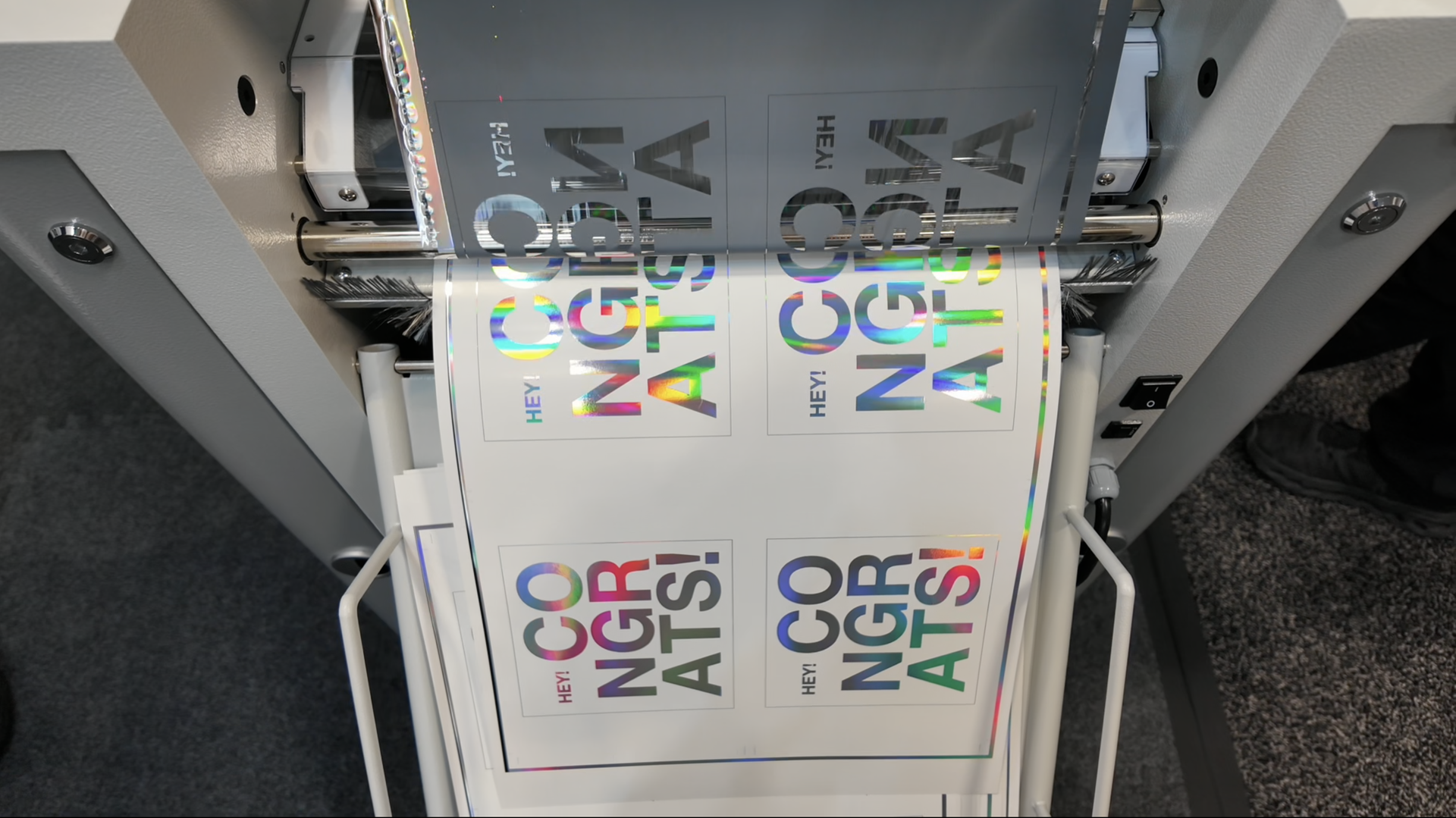
Foiling adds a reflective or decorative finish to selected areas of a printed piece. It's often used to make specific design elements stand out, whether that's a company logo on a business card, lettering on an invitation, or decorative details on product packaging. The result is a distinct finish that adds visual contrast and a more premium feel to printed materials.
However, not all foiling equipment uses the same technology. Traditional hot foil stamping uses a heated die and pressure to transfer foil onto a substrate, while digital foiling uses a different process to apply foil to selected areas of a printed design. Digital foiling can be incorporated into compatible laminating systems, allowing print shops to add metallic embellishments without using traditional stamping dies.
A foil laminating machine with digital foiling capabilities can be used to add metallic details to printed materials. If you want to achieve a gold finish, for example, you can use compatible gold foil with a laminating setup that supports digital foiling. This allows you to create gold accents on text, logos, and decorative elements.
Beyond gold, foil is available in several other finishes. Silver offers another classic metallic look, while colored and holographic foils create more eye-catching effects. These finishes can be used on business cards, invitations, labels, certificates, packaging, and other specialty print products.

In this article, we'll focus on digital foiling and the laminating equipment that can support it, so you can better understand what to look for before investing in a machine.
What Makes the Best Foiling Machine for Your Print Shop?
The best foiling machine for your business is one that meets your production requirements, supports the applications you want to offer, and fits your available resources. Rather than focusing solely on speed or the number of features, evaluate how the machine will perform in your day-to-day operations.
Here are four important factors to consider before making a purchase.
- Supported applications: Can the machine produce the types of jobs you plan to offer, such as business cards, invitations, or foil-embellished packaging?
- Finish quality: Does it deliver the foil coverage, fine detail, and overall appearance your customers expect?
- Versatility: Can it accommodate different designs and finishing requirements?
Request sample outputs or a machine demonstration whenever possible to assess its capabilities.
- Feeding method: Is the machine manual, semi-automatic, or fully automatic?
- Operator involvement: How much hands-on work is required during production?
- Training requirements: Will your team need specialized training to operate the equipment?
Consider how the machine's operation will affect your team's responsibilities and production process.
- Machine dimensions: Does your facility have enough room for the equipment?
- Existing equipment: Can your current print shop machines accommodate the new foiling process, or will you need additional equipment?
- Electrical and installation needs: Are your existing facilities suitable for the machine's specifications?
- Supporting accessories: Will you need additional components or equipment for operation?
Review these requirements before purchasing to avoid unexpected installation costs or adjustments.
- Consumables: What are the ongoing costs of foil and other production materials?
- Maintenance: Are replacement parts and routine servicing readily available?
- Technical assistance: Does the supplier provide operator training, troubleshooting, and after-sales support?
Aside from the initial purchase price, assess the machine's long-term financial implications, including recurring material expenses, maintenance, and replacement parts.
When comparing a hot foil print machine with other available options, evaluate the complete investment rather than relying on the purchase price or advertised specifications alone. The right equipment should meet your finishing requirements while remaining practical for your business to operate and maintain.
How Foiling Works With Your Existing Finishing Equipment
Before investing in another machine, take a closer look at your current laminator. You may already have equipment that can support digital foiling, depending on its features and configuration. In some cases, adding foil to your existing production process may not require purchasing an entirely new system.
One of the most important features to check is a motorized take-up mandrel, also known as a rewind reel. During digital foiling, the used foil carrier film needs to be collected as it separates from the printed sheet. A motorized take-up mandrel handles this material and prevents it from bunching up, wrinkling, or getting caught around the rollers. According to Skandacor, this is the key feature to look for when determining whether an existing laminator can support digital foiling.
Your roller type also matters. Chrome rollers generally provide more consistent pressure and heat, while rubber rollers can also work for foiling but may require adjustments to achieve the desired results.
You'll also want to check whether your laminator allows adjustments to temperature, speed, and pressure. These settings can influence foil transfer, so having control over them gives you more room to fine-tune the process. Running test sheets is important for identifying suitable settings before moving into full production.
However, the ability to run digital foil doesn't automatically mean your current laminator is the best option for every job. If you regularly handle high-volume orders, adapting an existing machine may become less efficient than investing in equipment designed to handle the workload.
Before purchasing additional professional printing equipment, have your current setup evaluated. Your existing print shop machines may already provide some of the capabilities you need, while a dedicated system may be a better investment for larger production demands. The right digital finishing equipment should support the volume and applications your business intends to handle.
What Foil Can You Use With a Laminator? Explore Skandacor's Options
If you're considering foiling with a laminator, it's important to understand that not every laminator or film is designed for digital foil transfer. The equipment must support the process, and the materials used must be compatible with the foil application.
Skandacor offers laminating and digital finishing solutions that incorporate SLEEKpro technology. SLEEKpro transfers foil onto compatible toner areas of printed sheets, allowing you to add metallic details to selected parts of your artwork, including text, logos, and decorative elements.
Depending on the machine and application, digital foiling can be incorporated into a laminating setup. However, film selection matters. When applying foil over a laminate barrier, you need a compatible film that supports proper foil transfer and adhesion. Skandacor recommends SOFTpro for applications that use a laminate barrier with SLEEKpro. The film is designed to work with the digital foiling process, helping provide a compatible surface for foil transfer and adhesion. Since not all laminating films are suitable for digital foiling, always check material compatibility before running a full production batch.
Laminators With Digital Foiling Capabilities
If you're comparing the best commercial laminators for your business, consider these LAMpro options:
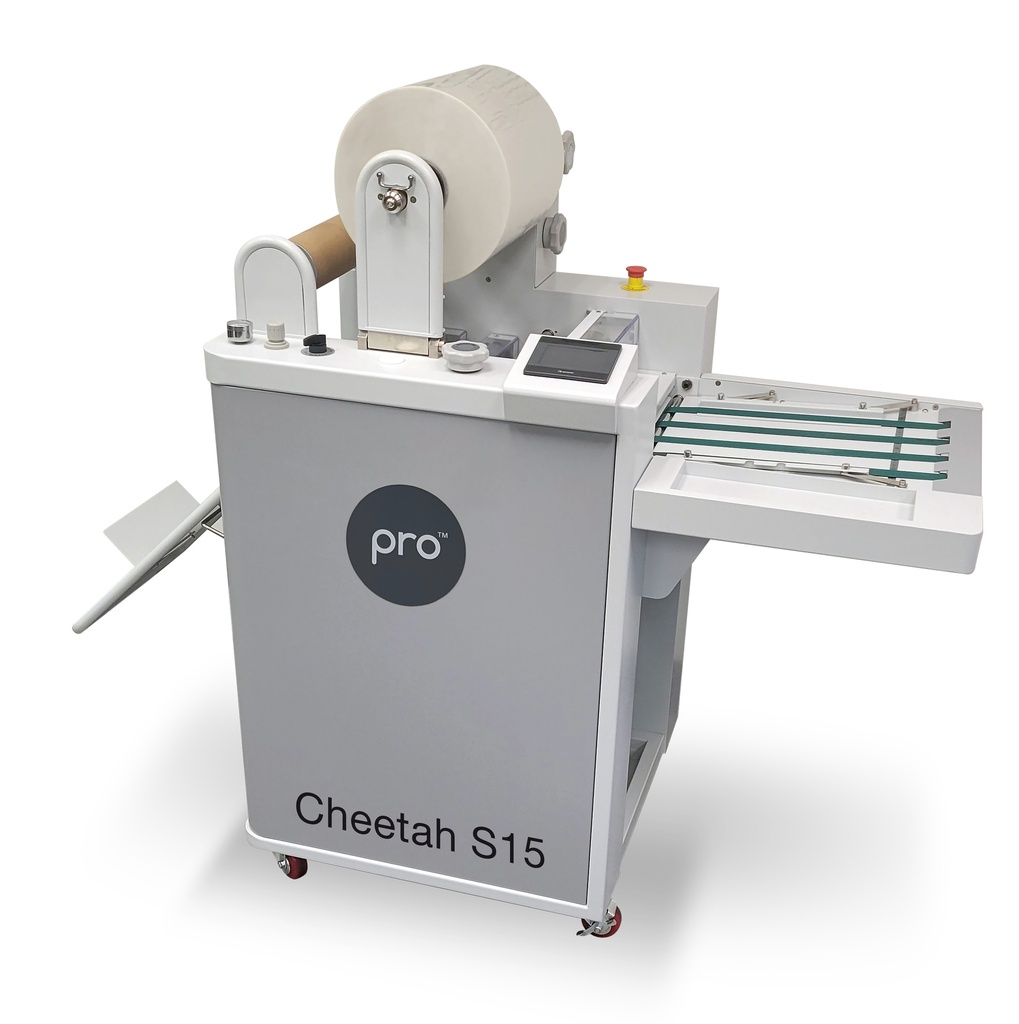
LAMpro Cheetah S15
The LAMpro Cheetah S15 combines single-sided lamination with SLEEKpro digital foiling capabilities. It allows print shops to produce laminated materials with additional metallic embellishments using one finishing system.
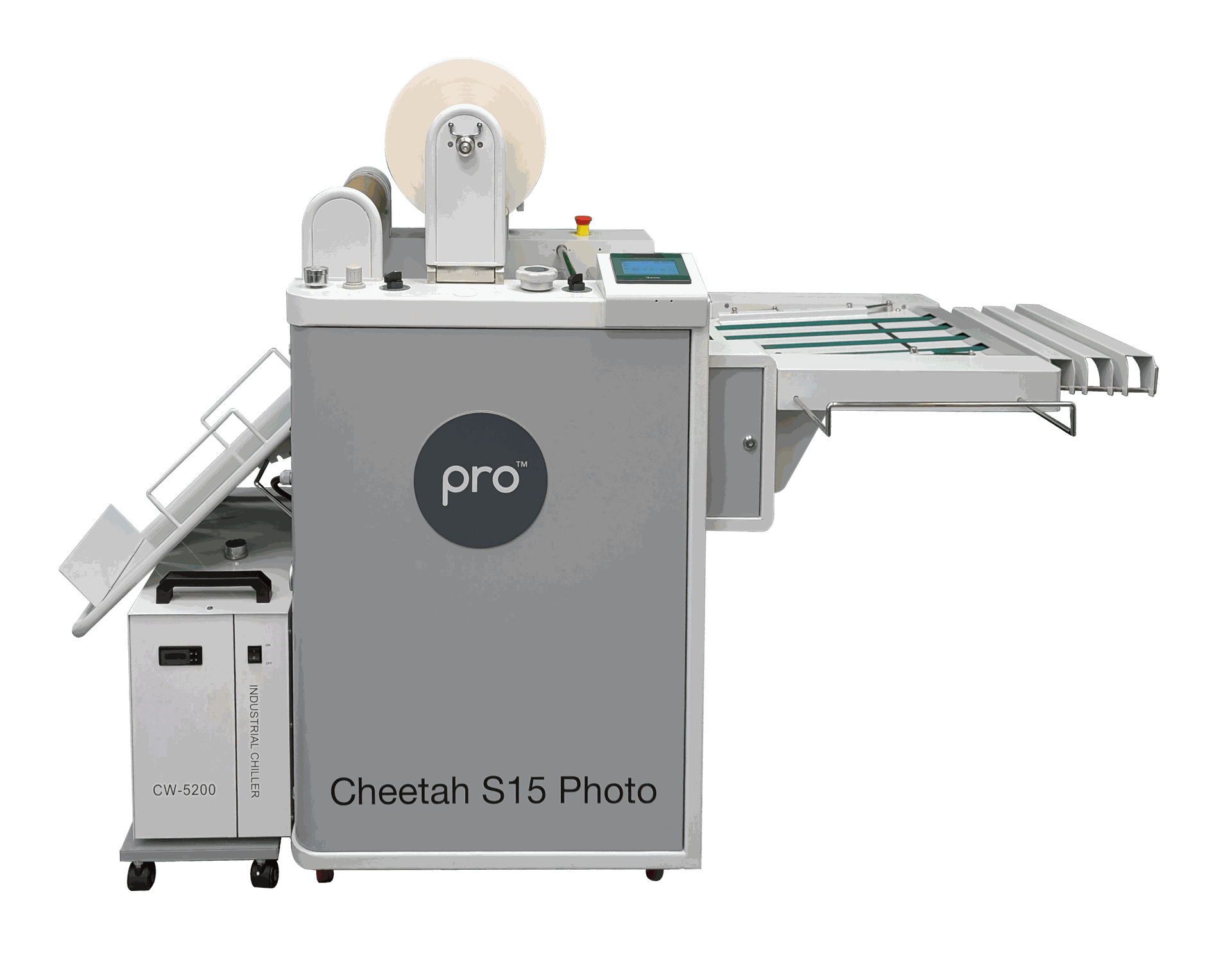
LAMpro Cheetah S15 Photo
For shops handling photo applications, the LAMpro Cheetah S15 Photo offers PHOTOpro embossed lamination alongside SLEEKpro digital finishing. This combination provides additional options for creating specialty finishes on printed materials.
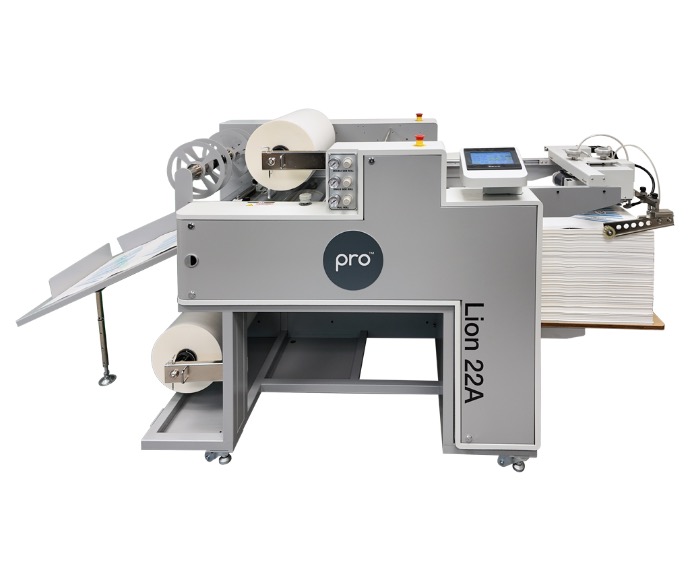
LAMpro Lion 22A
The LAMpro Lion 22A offers automatic sheet feeding, single-sided and duplex lamination, encapsulation, and SLEEKpro digital foiling capabilities. Its range of functions makes it an option for businesses looking to combine several finishing applications within one machine.
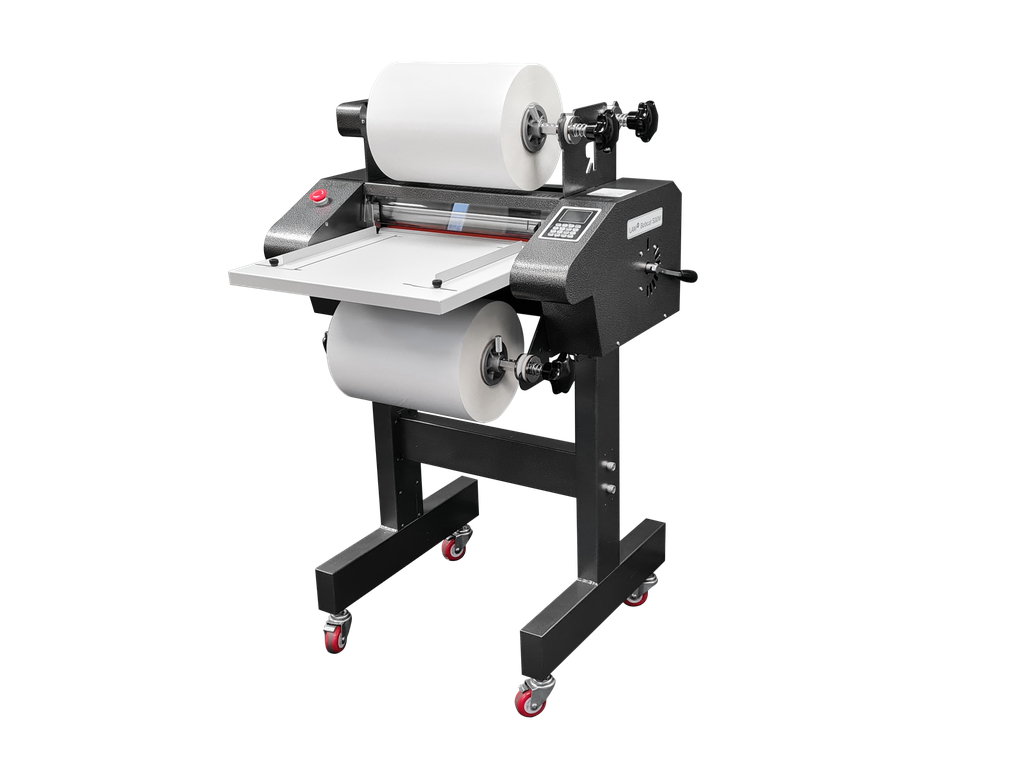
LAMpro Bobcat S15M
The LAMpro Bobcat S15M supports single-sided and double-sided lamination, along with SLEEKpro digital foiling. It also accommodates specialty laminating films, making it another option for print shops looking to expand their finishing capabilities.
Each system serves different production requirements, so consider the types of finishes you want to offer, the materials you process, and the production capabilities you need before choosing your equipment.
Bottomline
Knowing the differences between foiling technologies before buying matters because not every machine will deliver the same results or suit the same production needs. You could end up investing in equipment with capabilities you don't need—or overlooking the possibility that your existing laminator can already support digital foiling.
Before purchasing a new machine, understand what you need, what each technology can offer, and what your current equipment can already do. That knowledge will help you make a more informed investment and choose a finishing setup that works for your print shop.
At Skandacor, we’re here to help you make that choice. Explore our equipment or contact our team to discuss your production requirements and find a solution that makes sense for your business.