A small foil detail can make a big difference in how a printed piece is perceived. Whether it's a metallic logo on a business card, gold lettering on a wedding invitation, or an eye-catching accent on product packaging, foil adds a premium finish that helps printed materials stand out. With a digital foil printing machine, print shops can offer these decorative effects without the tooling requirements of traditional foil stamping. Because toner-based digital foiling doesn't require custom metal dies for each design, it's easier to accommodate short production runs, personalized details, and projects with frequently changing artwork.
But is digital foiling the right fit for your shop? Let's look at how the process compares to traditional foil stamping, where it works best, and what to consider when choosing equipment.
When an Automatic Hot Foil Printing Machine Makes More Sense
Traditional foil stamping isn’t obsolete; it still remains a practical choice for many commercial print applications, particularly high-volume jobs with consistent designs. But not every order involves thousands of identical pieces. Print shops also handle personalized invitations, short-run packaging, certificates, and projects where names, designs, or other details change between sheets.
The biggest difference comes down to how the foil is applied and how much setup each process requires.
Traditional foil stamping uses a heated metal die to transfer foil onto a substrate. For large production runs, such as 20,000 identical packaging cartons, the cost of creating the die can be spread across thousands of pieces.
Digital foiling takes a different approach. With toner-based processes like Skandacor's SLEEKpro, foil transfers to compatible printed toner using heat and pressure. Because no custom metal die is required, print shops can change designs between jobs and accommodate personalized artwork without the additional tooling costs associated with traditional stamping.
For print shops already already offering lamination and is using commercial laminating equipment, digital foiling may be easier to incorporate than expected. Some commercial laminators also support digital foil transfer, allowing shops to add embellishment capabilities without dedicating floor space to an entirely separate machine.
For example, Skandacor's LAMpro Lion 22A supports multiple lamination applications alongside SLEEKpro digital foiling. This type of versatility can be especially valuable for shops looking to expand their finishing services while making the most of their available space.
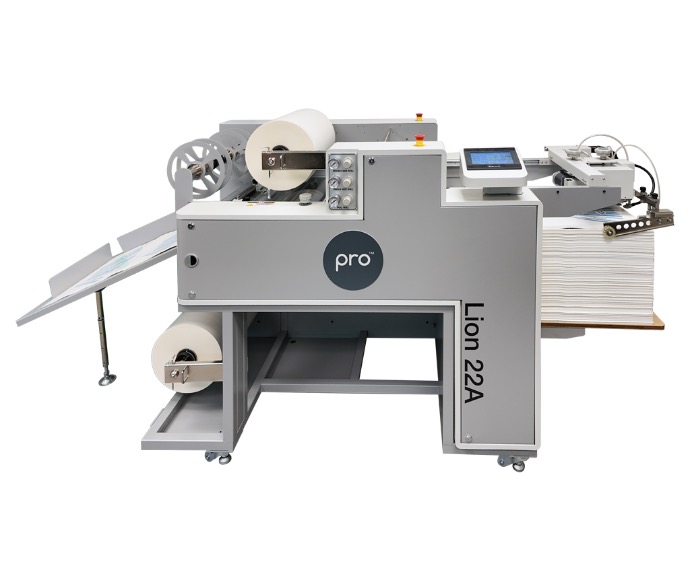
The right setup will still depend on your printing equipment, substrates, production volume, and the types of finishing projects you handle.
What Can You Create With Digital Foiling?
Digital foiling isn't limited to invitations or luxury packaging. Its flexibility makes it a useful finishing option for a range of commercial print applications, especially when customers want something more distinctive than standard CMYK printing.
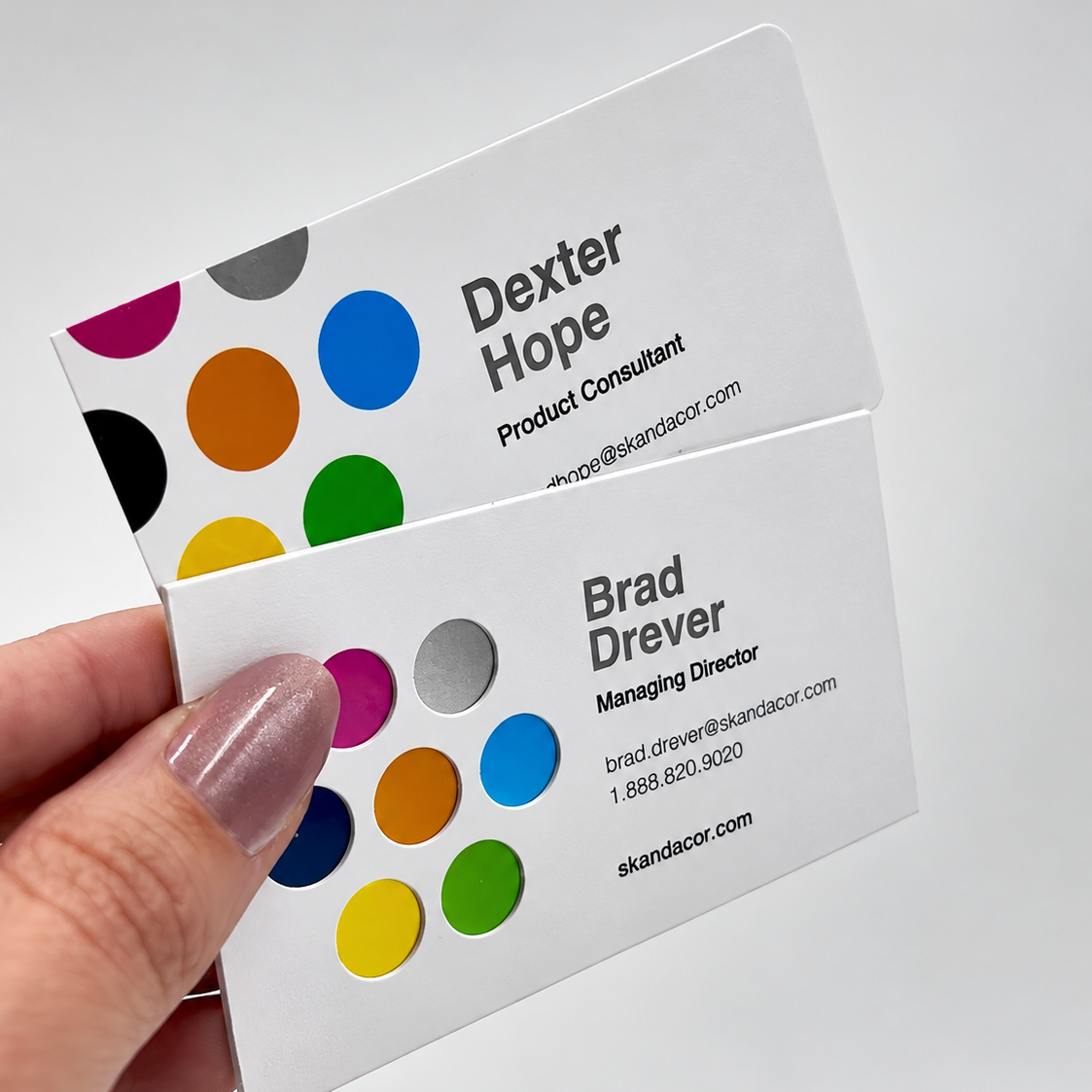
Business Cards
Add metallic logos, lettering, or decorative accents that give cards a premium appearance.
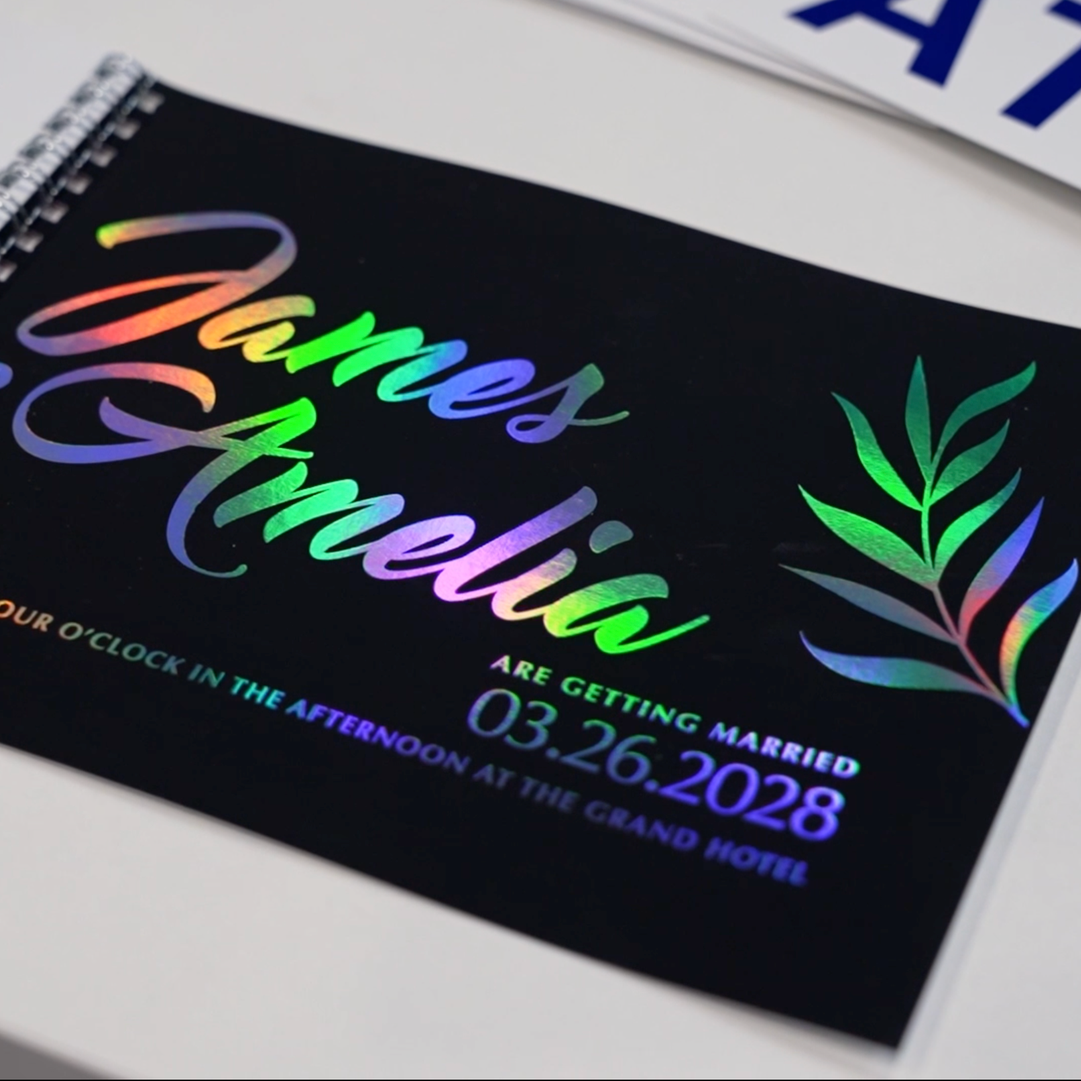
Wedding invitations
Create personalized names, elegant typography, and metallic design elements without ordering custom dies for every variation.
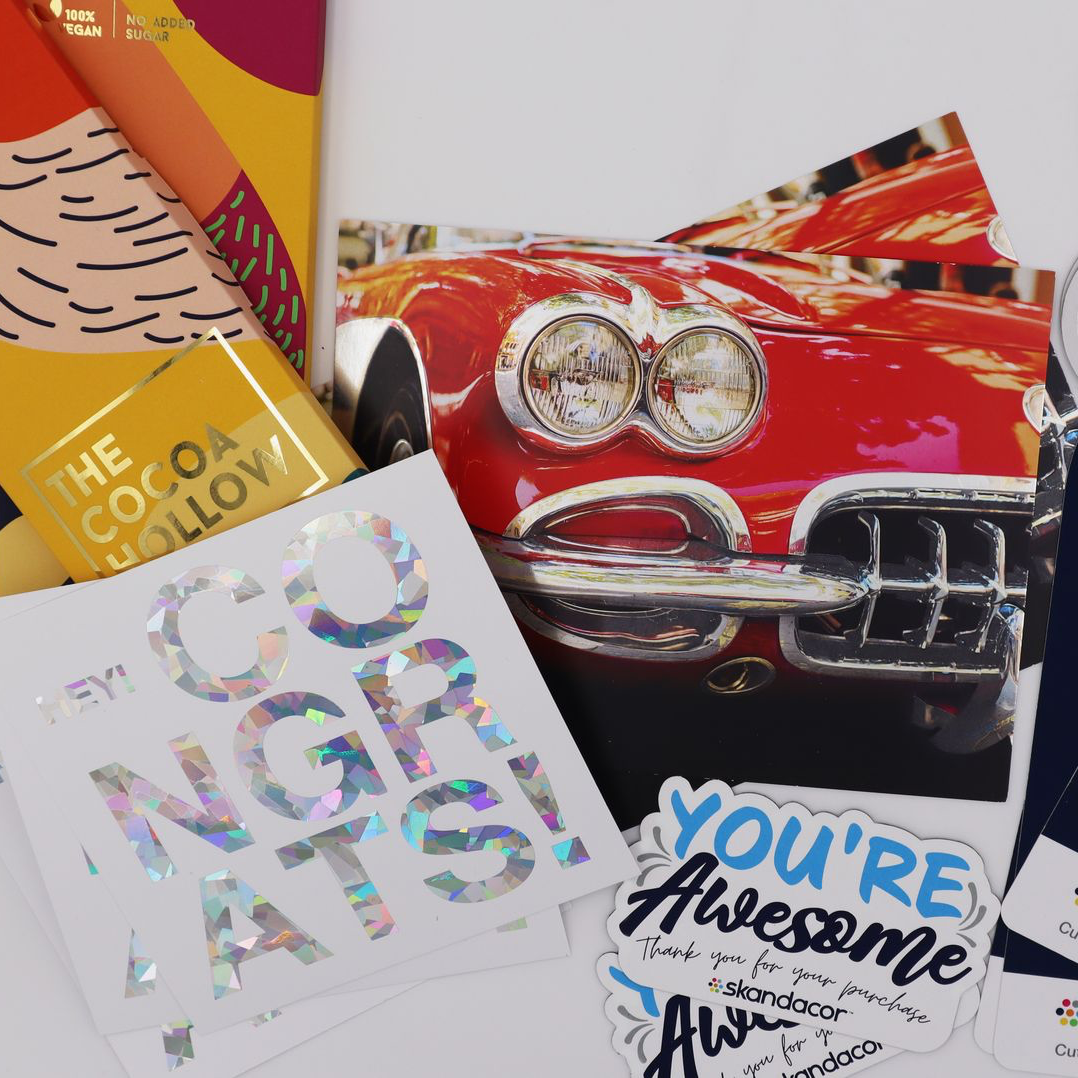
Short-run packaging
Enhance product labels, boxes, and promotional packaging with eye-catching foil details.
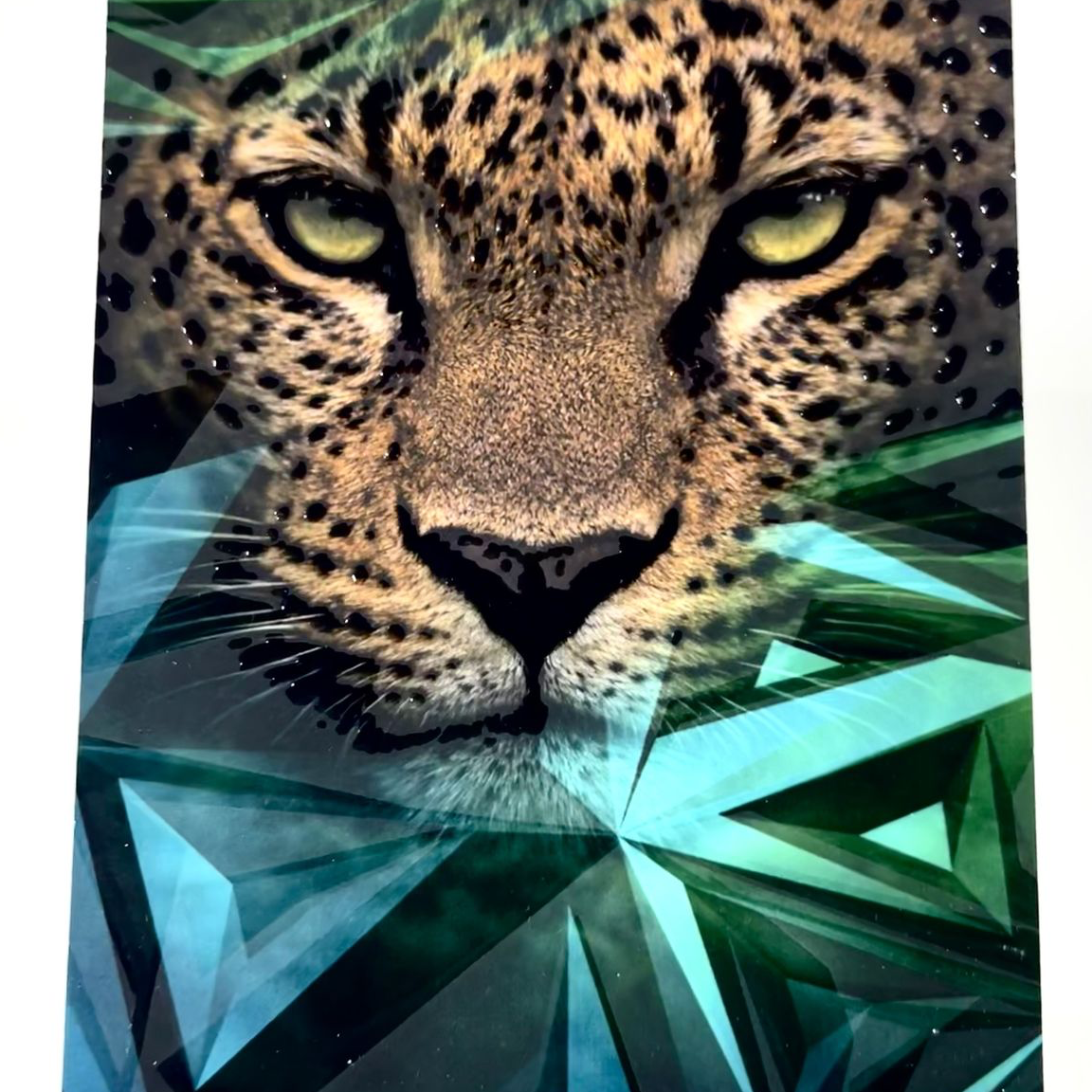
Marketing materials
Use foil on brochures, presentation folders, and promotional pieces to draw attention to specific design elements
For print shops, these applications create opportunities to offer additional finishing options on projects they're already producing.
Picking the Best Foil Machine for Your Shop’s Real Workload
Before comparing machines, consider the types of jobs your shop produces most often. Are customers requesting metallic accents on business cards, personalized invitations, or short-run packaging? Or are they looking for raised, tactile embellishments that add texture to the finished piece?
Standard toner-based digital foiling creates a smooth metallic finish, making it well suited for logos, lettering, and decorative details. If your customers are looking for raised, tactile embellishments, a foil embossing machine may be worth considering. Another option is digital UV embellishment. For example, Skandacor's FINISHpro 3D 1623 applies raised UV textures that can be enhanced with digital foil accents when paired with compatible finishing equipment.
Understanding the finish your customers want will help narrow down the equipment that makes the most sense for your production needs.
Next, before you commit, put the machine through a small test. One of the best ways to evaluate a foil printer machine is to test it with the materials your shop already uses. Rather than relying only on demonstration samples, try its sleeking process printed on your own press and on your preferred paper stocks.
Include a mix of fine lettering, detailed designs, and larger solid areas of foil. Pay attention to how consistently the foil transfers, whether small details remain sharp, and how well the finish adheres to the printed surface.
Toner compatibility, paper selection, temperature, and pressure can all influence the final result. Testing your own materials provides a more realistic picture of what the equipment can deliver in your everyday workflow.
Beyond print quality, consider how the machine will fit into your daily production. How quickly can operators change foil rolls, adjust settings, or move between different jobs? If your shop handles frequent short runs, these small steps can make a noticeable difference in overall efficiency.
It's also worth considering how much operator training is required and what technical support is available after installation. A machine that's easy to operate, maintain, and troubleshoot can help keep production moving and reduce unnecessary downtime.
The range of available foil finishes can also influence the types of projects your shop can offer. Gold and silver are popular choices for invitations, business cards, and premium packaging, but options such as rose gold, holographic, and matte metallic finishes can open the door to more creative applications.
Before choosing equipment, confirm which foil types are compatible with the machine and whether they produce consistent results on your preferred materials.
Finally, think about the space available in your shop. Beyond the machine's dimensions, consider the room needed for loading materials, handling finished sheets, and accessing equipment for maintenance. For shops with limited floor space, a multifunction finishing machine that supports both lamination and digital foiling may offer greater flexibility than separate systems.
Final Thoughts: Is Digital Foiling Right for Your Shop?
Digital foiling gives print shops another way to add value to their work, whether that's through personalized invitations, premium business cards, or short-run packaging. With the right equipment, it's possible to offer metallic finishes without the tooling requirements of traditional foil stamping.
The key is choosing a solution that matches your existing production setup, the materials you use, and the types of jobs your customers request.
At Skandacor, we work with print shops across Canada, the USA, and Europe to help them find finishing equipment that fits their production needs. Whether you're exploring digital foiling for the first time or looking to expand your current capabilities, our team can help you understand your options.
Ready to add digital foiling to your finishing services? Explore Skandacor's range of foiling machines and find a solution that works for your shop.