Hot foil machines give print shops a way to add metallic, holographic, and specialty finishes to printed materials without traditional foil stamping dies.
From premium business cards and invitations to packaging and marketing materials, digital foiling opens opportunities to offer more specialized products, accommodate shorter runs, and bring more finishing in-house.
But how does digital foiling work, and which applications make the most sense for your shop? Let's explore the process, its benefits, and the equipment available.
What s Foiling in Printing?
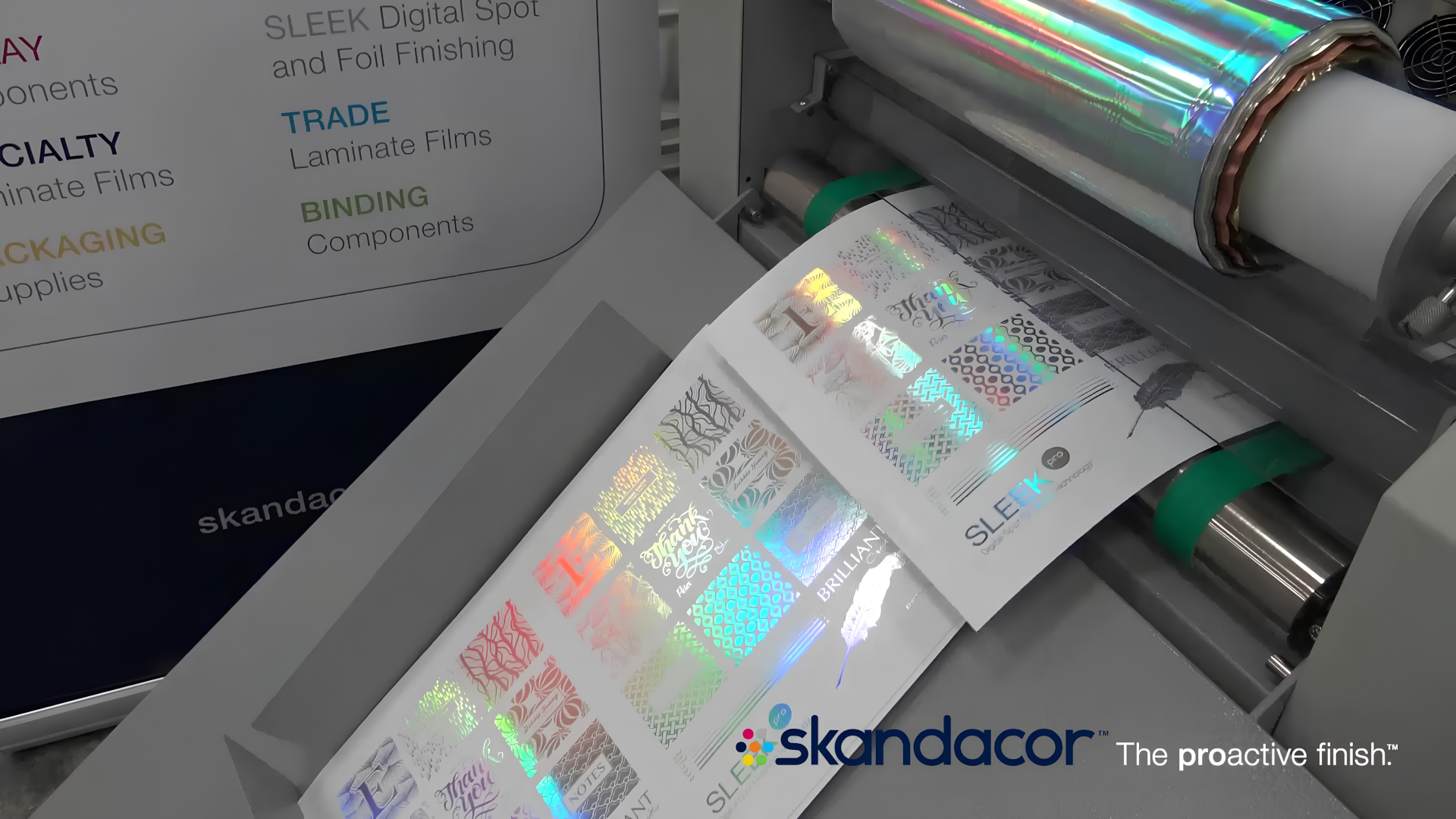
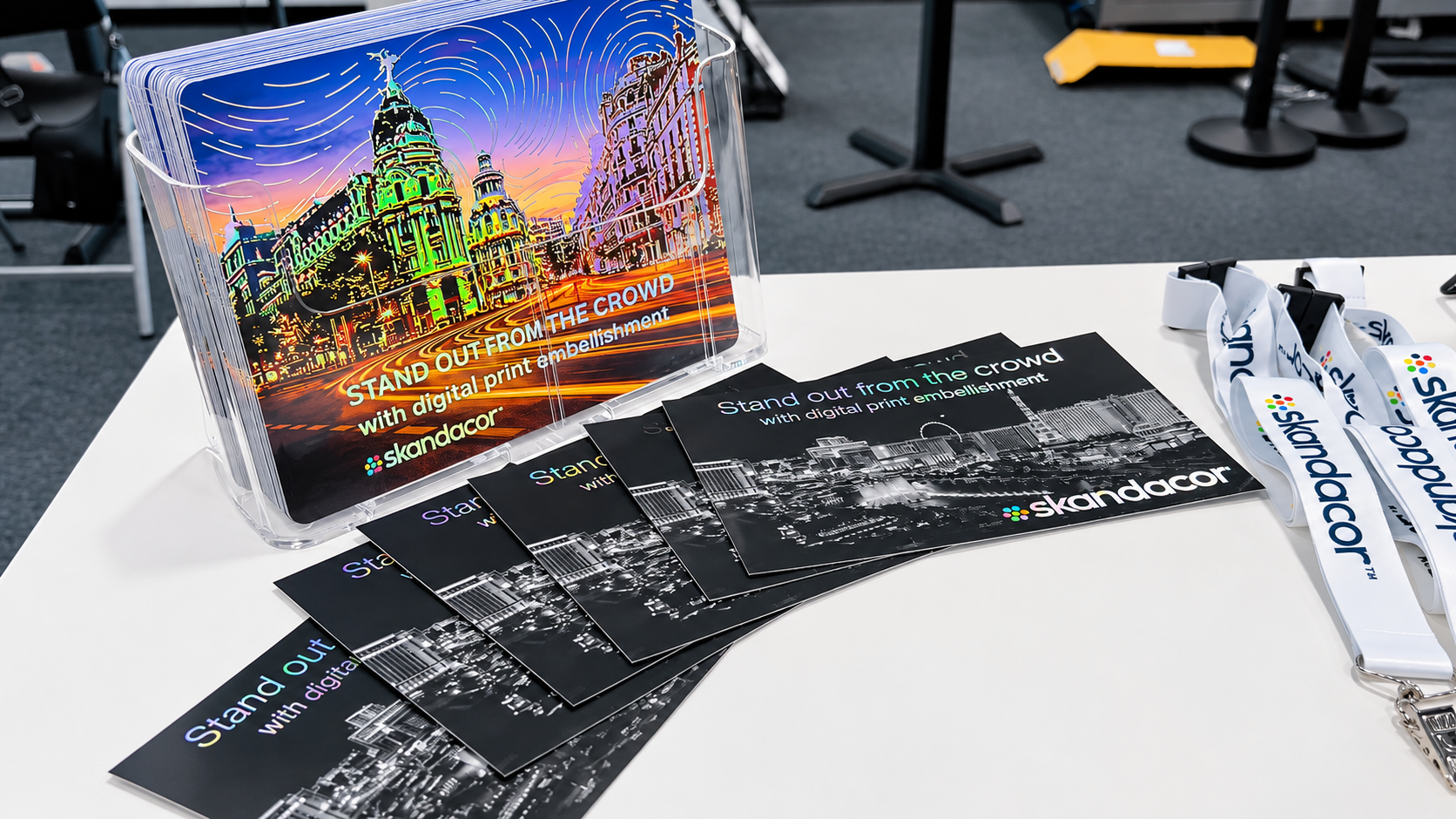
Foiling in printing is a finishing technique that applies a thin layer of decorative foil to selected areas of a printed material. Unlike conventional printing, which uses ink to reproduce colors and images, foiling introduces a reflective finish that can make specific design elements more noticeable. Depending on the foil selected, the result can range from classic metallic gold and silver to colored and holographic effects.
The process is commonly used to enhance business cards, invitations, packaging, book covers, brochures, and other printed materials. Designers can apply foil to lettering, logos, borders, illustrations, or decorative patterns to create contrast and establish visual focal points. Rather than embellishing an entire surface, foil is often used selectively to complement the printed artwork.
‣ How does the foiling process work?
There are different ways to apply foil to printed materials, including traditional hot foil stamping and digital foil transfer. While both create decorative foil effects, they use different processes and suit different production requirements.
Traditional hot foil stamping
Traditional hot foil stamping uses a heated metal die, foil, and pressure to transfer the design onto a substrate. The die carries the artwork, and when it presses against the foil and material, the selected areas receive the decorative finish. This method is particularly suitable for repeat designs and established production requirements.
Digital foil transfer
Digital foil transfer, on the other hand, uses a digitally printed image to determine where the foil adheres. In Skandacor's SLEEKpro process, compatible toner or digital ink acts as the bonding area. The printed sheet passes through a foiling system, where heat and pressure transfer the specialty foil onto the designated areas. Once the excess foil is removed, the embellished design becomes visible.
One important difference is that digital foil transfer does not require a traditional custom metal die for each design. This makes it useful for projects involving changing artwork, personalized details, and shorter production runs.
‣ What types of foil can be used?
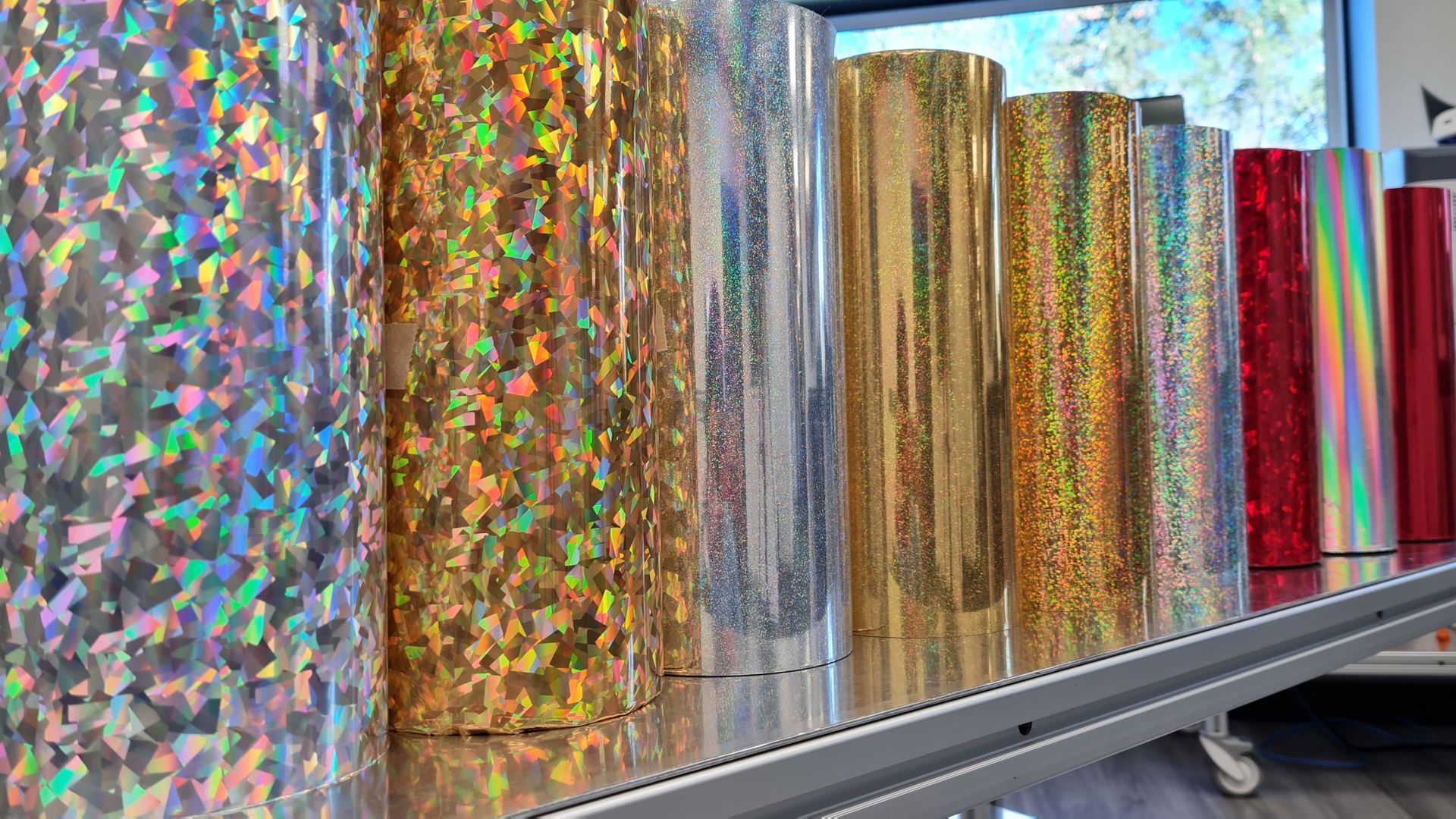
The choice of foil influences the overall appearance of the finished piece. Gold and silver are popular options for formal and premium-looking designs, while colored metallic foils can complement specific brand palettes or creative concepts.
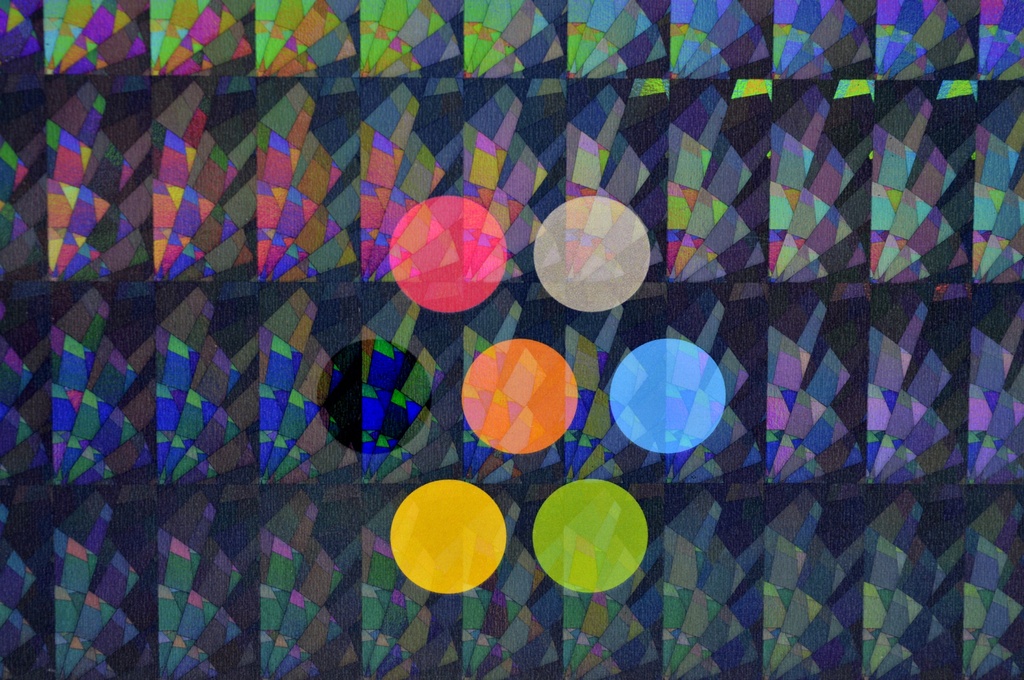
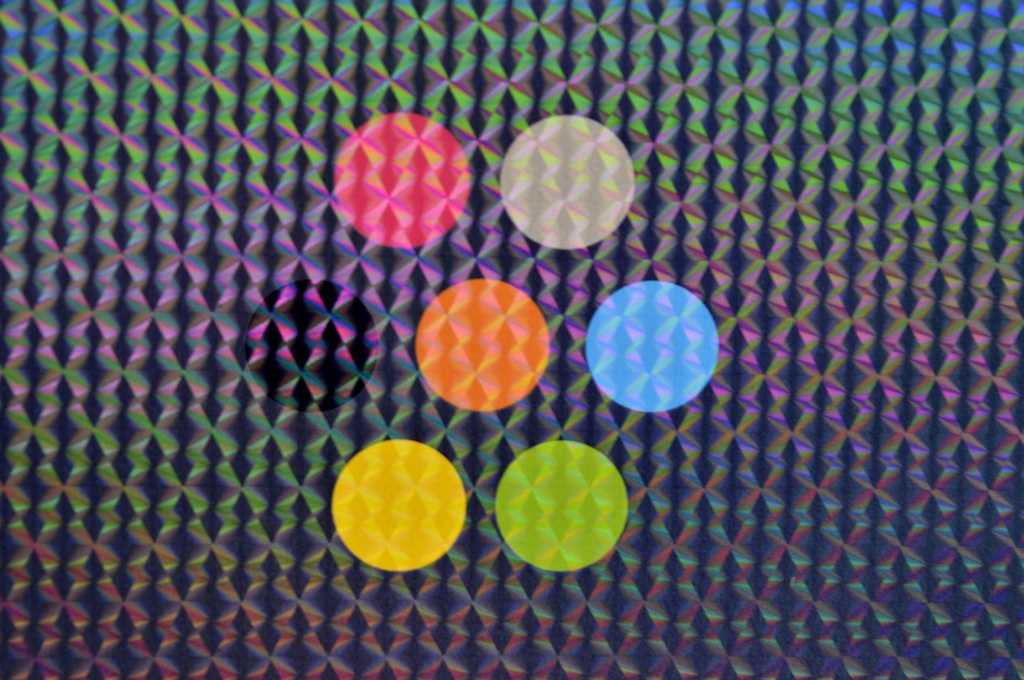
Holographic foils offer another possibility. Their reflective patterns create changing visual effects as light hits the surface from different angles, making them suitable for designs that call for a more distinctive appearance.
The appropriate choice depends on the project's purpose and the desired visual effect. A subtle metallic accent can effectively highlight a logo, while a holographic finish can serve as a more prominent design element.

‣ What materials and designs work with foiling?
Foiling can be used on a variety of printed materials, but compatibility depends on the foiling technology, foil, and substrate. In digital foil transfer, the printed image must also provide a suitable bonding surface. Toner or compatible digital ink, print coverage, surface coatings, and material characteristics can all influence the quality of the transfer.
Design preparation matters as well. Fine lettering, intricate patterns, and small graphic details may require testing to ensure they reproduce properly. It is worth considering foil placement early in the design process so that the embellishment complements the artwork rather than competing with it.
For print providers, foiling also creates opportunities to offer customers a wider range of premium finished products, including:
- Business cards: Add foil to company logos, names, and other brand elements for a more distinctive presentation.
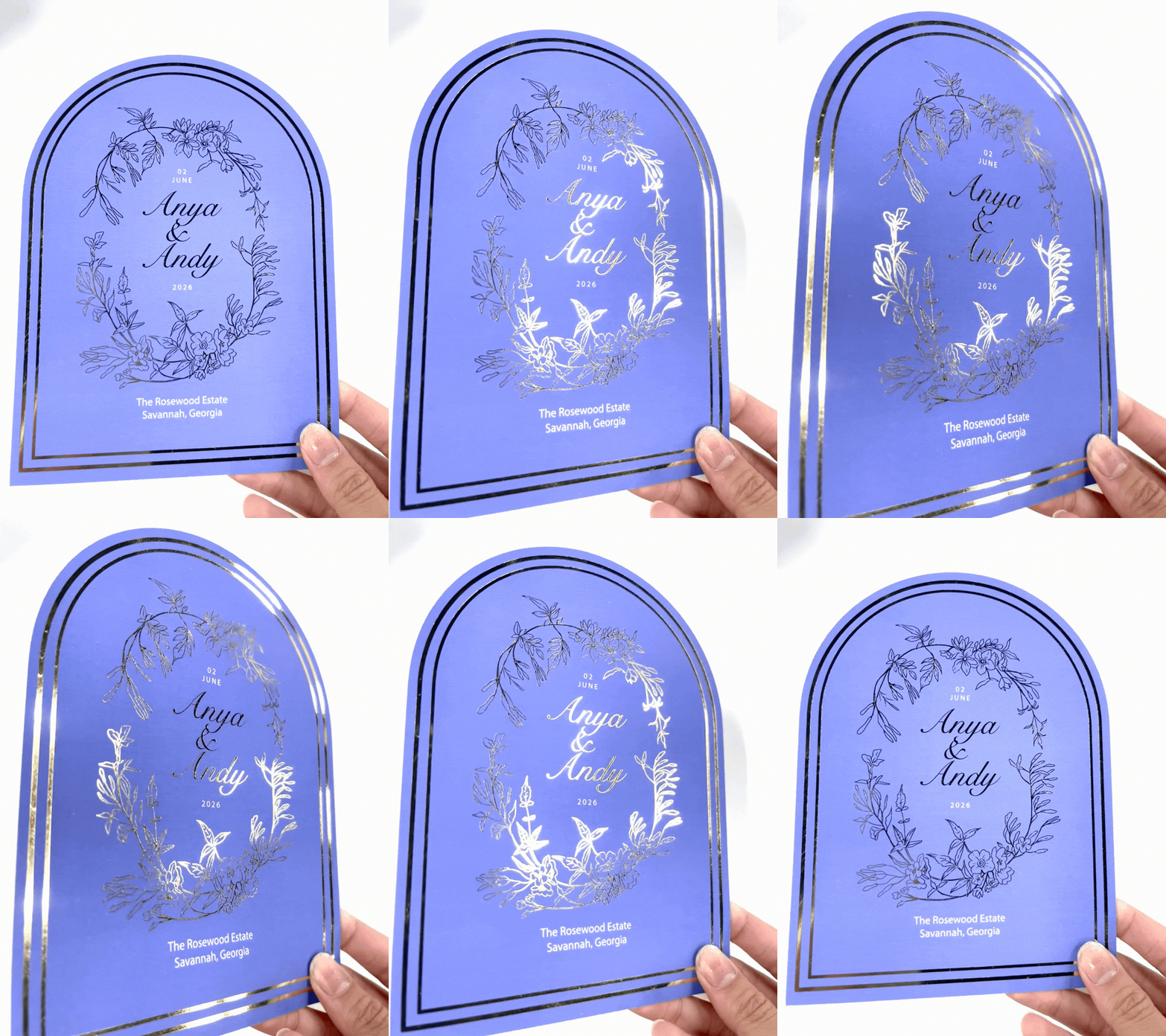
- Wedding invitations and greeting cards: Highlight names, decorative borders, typography, and special design elements.
- Postcards and brochures: Use foil accents to draw attention to headlines, promotional messages, and featured graphics.
- Book covers and presentation folders: Add metallic details to titles, logos, and cover artwork.
- Product packaging and labels: Enhance brand names, logos, and other design elements to create a more noticeable appearance on shelves.
- Certificates and awards: Use foil accents to give recognition materials a more polished and professional finish.
These applications allow print shops to offer more than standard printed materials. By incorporating foil into their finishing services, they can create customized products that give customers additional ways to present their brands, promote their businesses, and make printed materials stand out.


‣ Can digital foiling and lamination work together?
Digital foiling and lamination can complement each other in a print finishing workflow. While foiling adds decorative metallic or holographic accents, lamination can enhance the overall appearance and help protect printed materials.
Depending on the equipment, film, and application, print shops can incorporate both processes to offer different finishing options without unnecessarily complicating production.
Industrial laminating solutions offer the equipment needed to apply laminate efficiently, helping protect printed surfaces from scratches, moisture, and everyday wear while maintaining consistent results across production runs.
How Can Automatic Digital Foiling Improve Production?
For print shops managing multiple jobs, reducing manual handling can make a difference in day-to-day production. Automatic feeding systems help streamline sheet handling, allowing operators to spend less time manually feeding individual sheets.
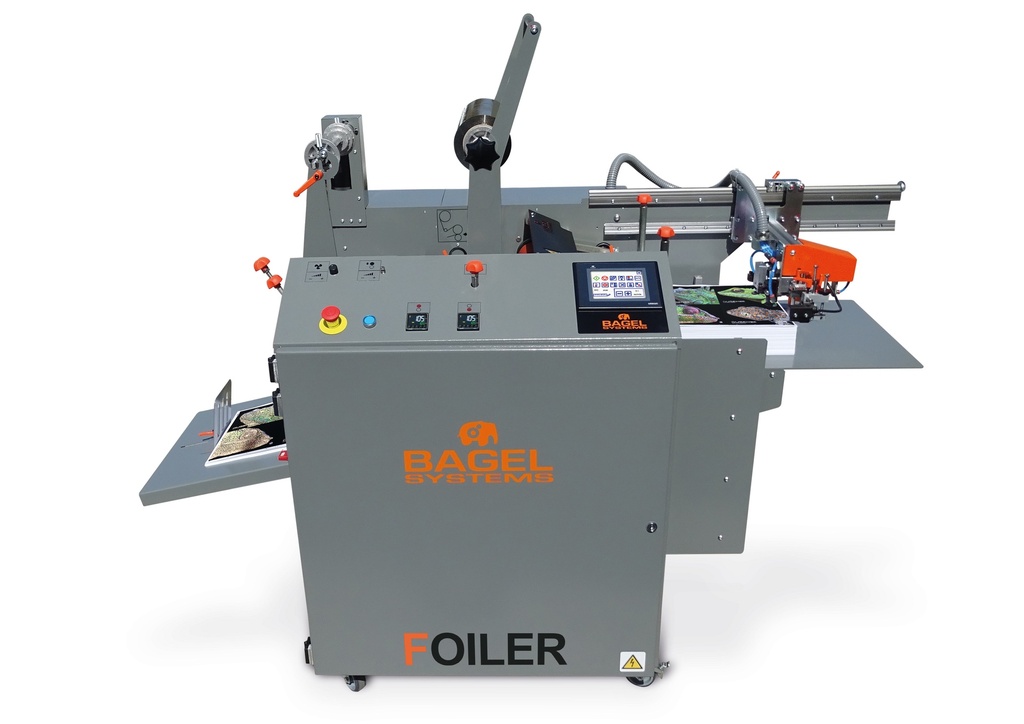
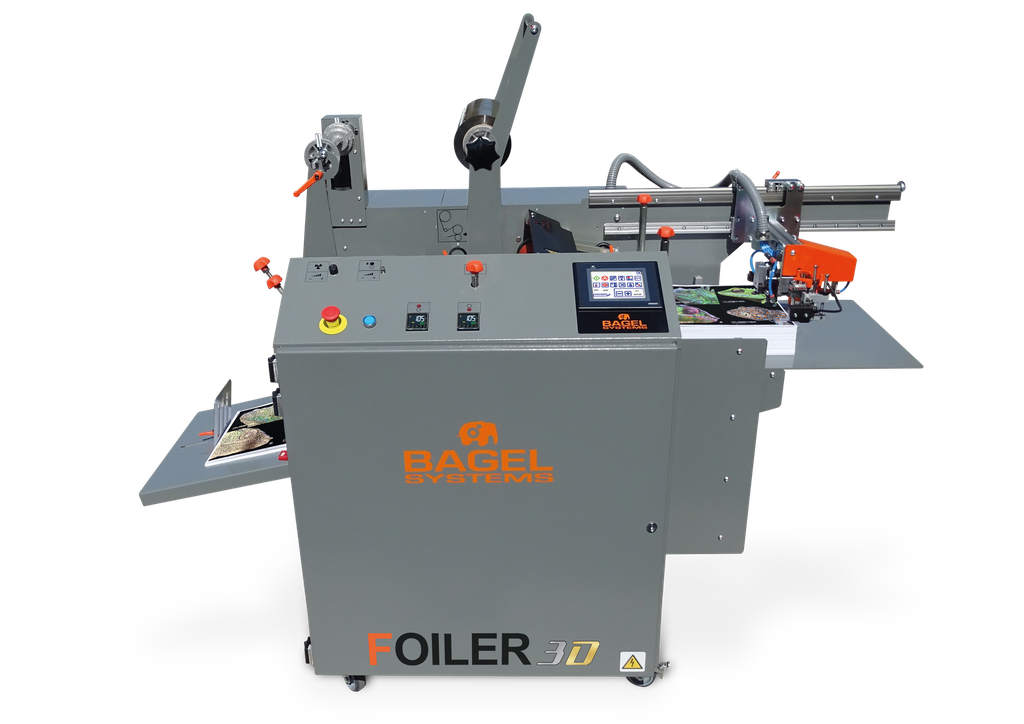
FOILER B3 Auto
For example, Skandacor's FOILER B3 Auto incorporates an automatic feeding system designed for production environments where consistent sheet handling is important.
When choosing a digital foiling machine, consider your typical run lengths, sheet sizes, material compatibility, and how the equipment will fit into your existing workflow.
The Benefits of Digital Print Embellishment
Digital print embellishment gives print shops more ways to enhance their existing products and offer customers something different. By pairing a digital printing press with the right finishing equipment, printers can introduce specialty effects, accommodate different job requirements, and explore new opportunities without necessarily changing their entire production workflow.
‣ Offer More Finishing Options
Digital embellishment gives print shops more ways to enhance their customers' designs. From metallic lettering and decorative patterns to holographic accents, these effects can help highlight logos, create contrast, and make printed materials stand out. A hot foil printing machine that uses digital foil transfer technology can offer additional flexibility for producing different designs without requiring a custom metal die for every job.
‣ Make Short-Run and Personalized Jobs Practical
Digital foiling makes it easier for print shops to accommodate jobs that require changing artwork, personalized details, or smaller quantities. Without the need for a new custom die for every design, printers can produce customized business cards, invitations, and other specialty products with greater flexibility. This is particularly useful for short-run projects where traditional foil stamping setup may be less practical.
‣ Add Value to Existing Print Products
Digital embellishment allows print shops to add value to products they may already offer, such as business cards, invitations, and promotional materials. Combining foil effects with compatible lamination or raised UV applications can create more distinctive finishes and give customers additional options. When considering these capabilities, it's important to evaluate how they fit into your existing workflow, including equipment requirements, laminator cost, and the types of jobs you plan to produce.
Choosing the right embellishment equipment involves more than comparing features or laminator cost. Understanding your production needs, the applications you want to offer, and how different technologies fit together can help you make a more informed decision.
Let's explore the digital foiling and finishing solutions available from Skandacor.
Explore Digital Foiling and Finishing Solutions with Skandacor
Bringing a creative concept to life requires equipment that can support the intended application. At Skandacor, our digital finishing solutions include SLEEKpro technology, which uses heat and pressure to transfer specialty foil onto compatible digitally printed areas.
Our equipment supports different approaches to digital embellishment, from standard foil transfer to more specialized applications.
Machine | Application | Why a print shop might consider it |
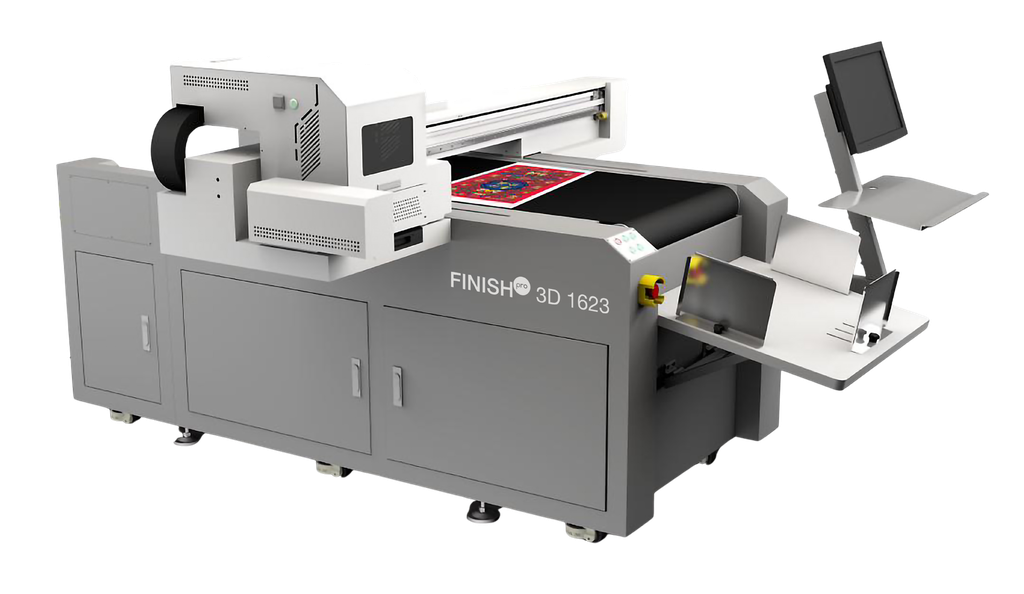
FINISHpro 3D 1623 UV Resin Printer
| Applies UV resin to create raised, dimensional effects on printed materials. It can add texture and depth to logos, typography, patterns, and other design elements. | A good option for print shops looking to offer tactile embellishments and raised spot effects without relying on traditional embossing methods. |
| Transfers metallic and holographic foil onto raised UV finishes and other dimensional or hard-to-foil surfaces. | Suitable for shops that want to combine raised textures with reflective foil effects, creating more distinctive and dimensional printed products. |
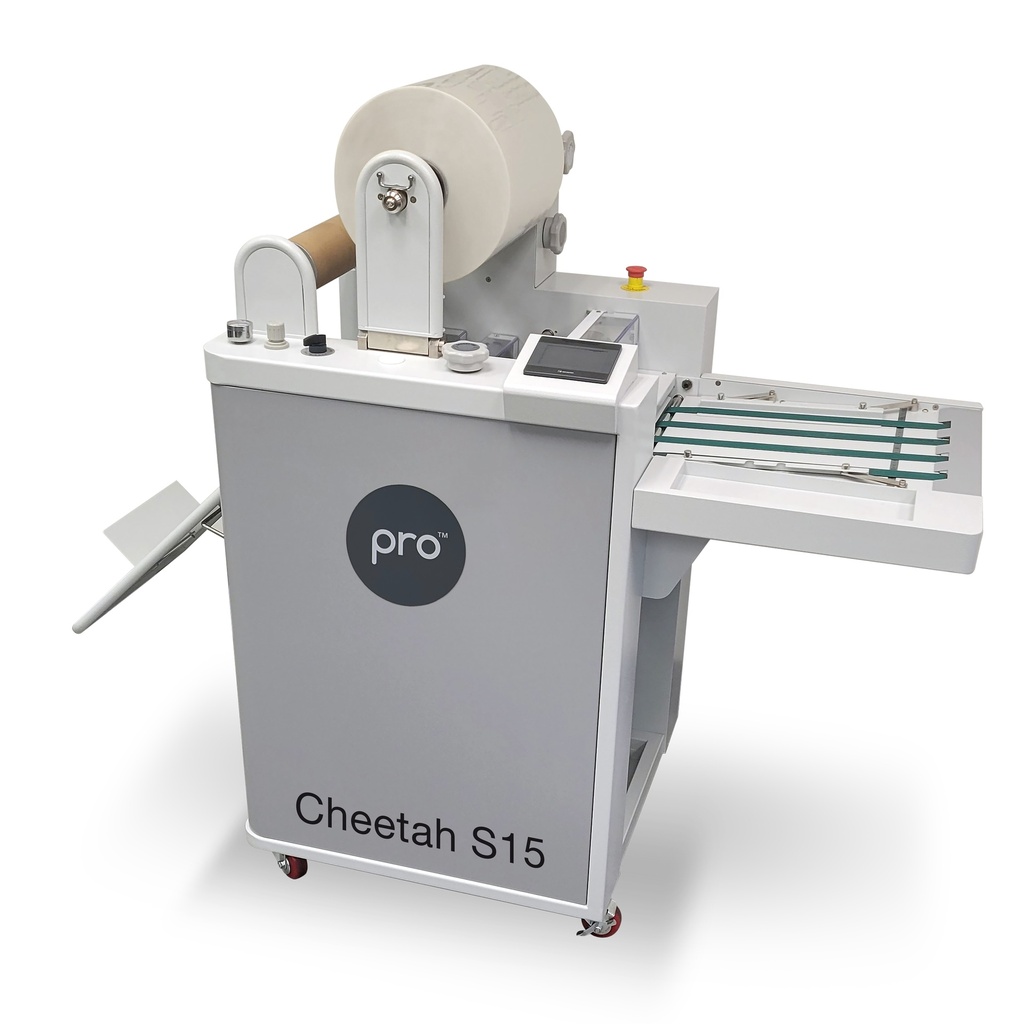
LAMpro Cheetah S15
| Combines single-sided lamination with SLEEKpro digital finishing technology, allowing compatible printed sheets to receive protective laminate and decorative foil effects. | A practical choice for print shops looking to combine lamination and digital embellishment in one workflow, reducing the need for separate finishing systems. |
Each system offers different capabilities, depending on the type of work you want to produce and the finishing processes you need.
At Skandacor, we work with print professionals across Canada, the USA, and Europe, providing finishing equipment, supplies, and technical support. Whether you're looking to bring foiling in-house, offer premium finishes, or expand your current production capabilities, the right equipment depends on the applications you want to produce.
Skandacor's team can help you explore digital foiling and finishing options based on your production requirements.