A flatbed die cutter is a finishing machine that cuts printed materials into custom shapes and formats. It follows a defined cutting path to create precise outlines, cutouts, and other shapes that go beyond standard straight-edge trimming. This makes it a versatile option for a range of print finishing applications.
The technology itself isn't new. What has changed is how digitally controlled cutting has made it possible to approach a wider variety of jobs without relying on a dedicated physical die for every design.
That doesn't mean digital cutting is the answer to every production requirement. Traditional die cutting remains highly effective for the right applications. Understanding where digital die cutting fits into your production workflow can help determine whether it's the right investment for your shop.
So, what exactly is a flatbed cutter, and when does it make sense to have one in your production workflow?
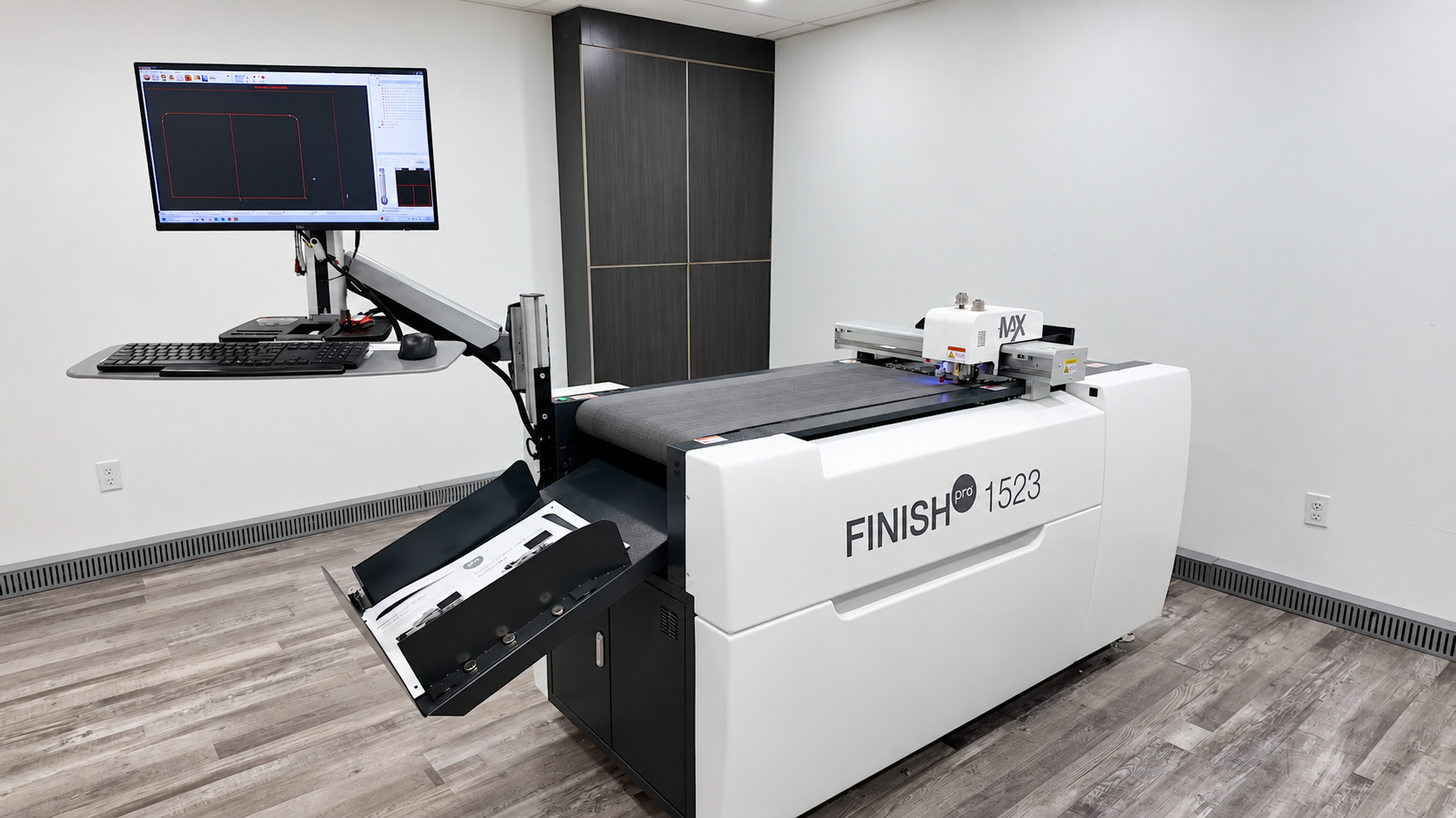
What is a flatbed cutting machine?
A flatbed cutting machine uses a flat work surface to hold the material while a cutting tool moves across it. The operator loads the job and sets the appropriate cutting instructions digitally based on the shape and material being processed.
Because the material remains flat during cutting, the machine can be used for a variety of printed and specialty substrates, depending on its capabilities.
For example, the same machine could be used to cut:
- Custom-shaped cards
- Product tags
- Labels and stickers
- Packaging samples
- Point-of-purchase displays
- Signage
- Promotional pieces
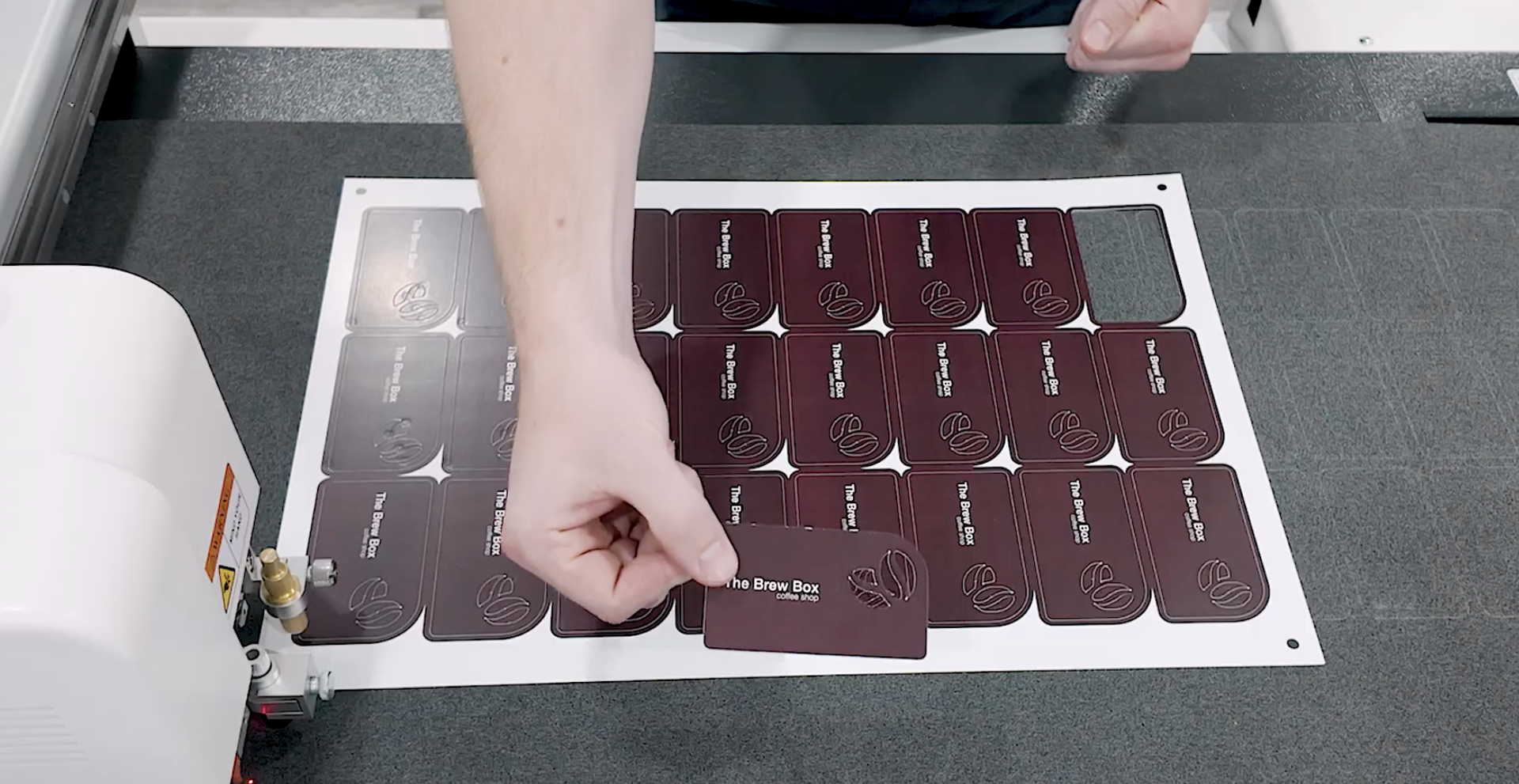
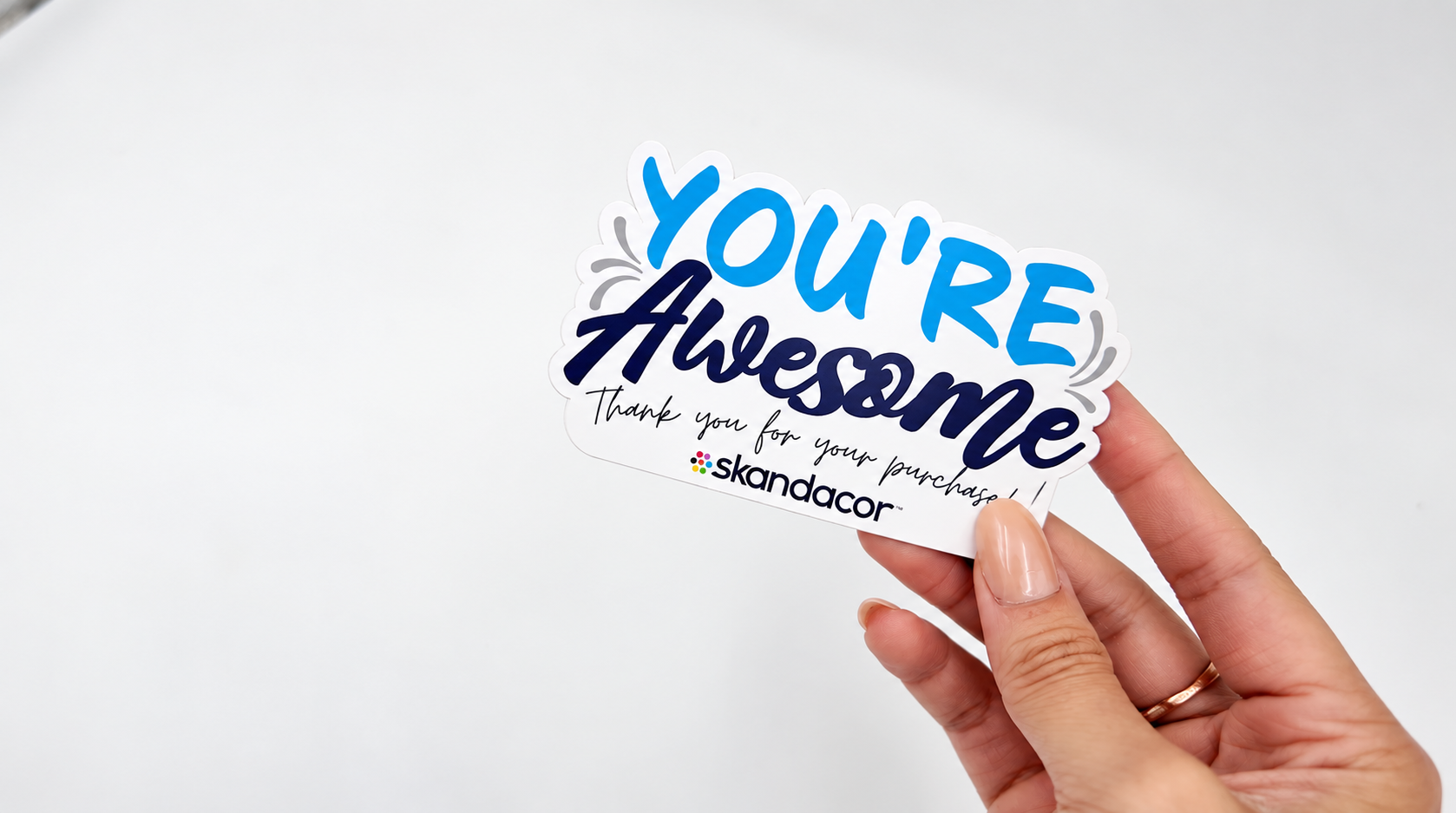
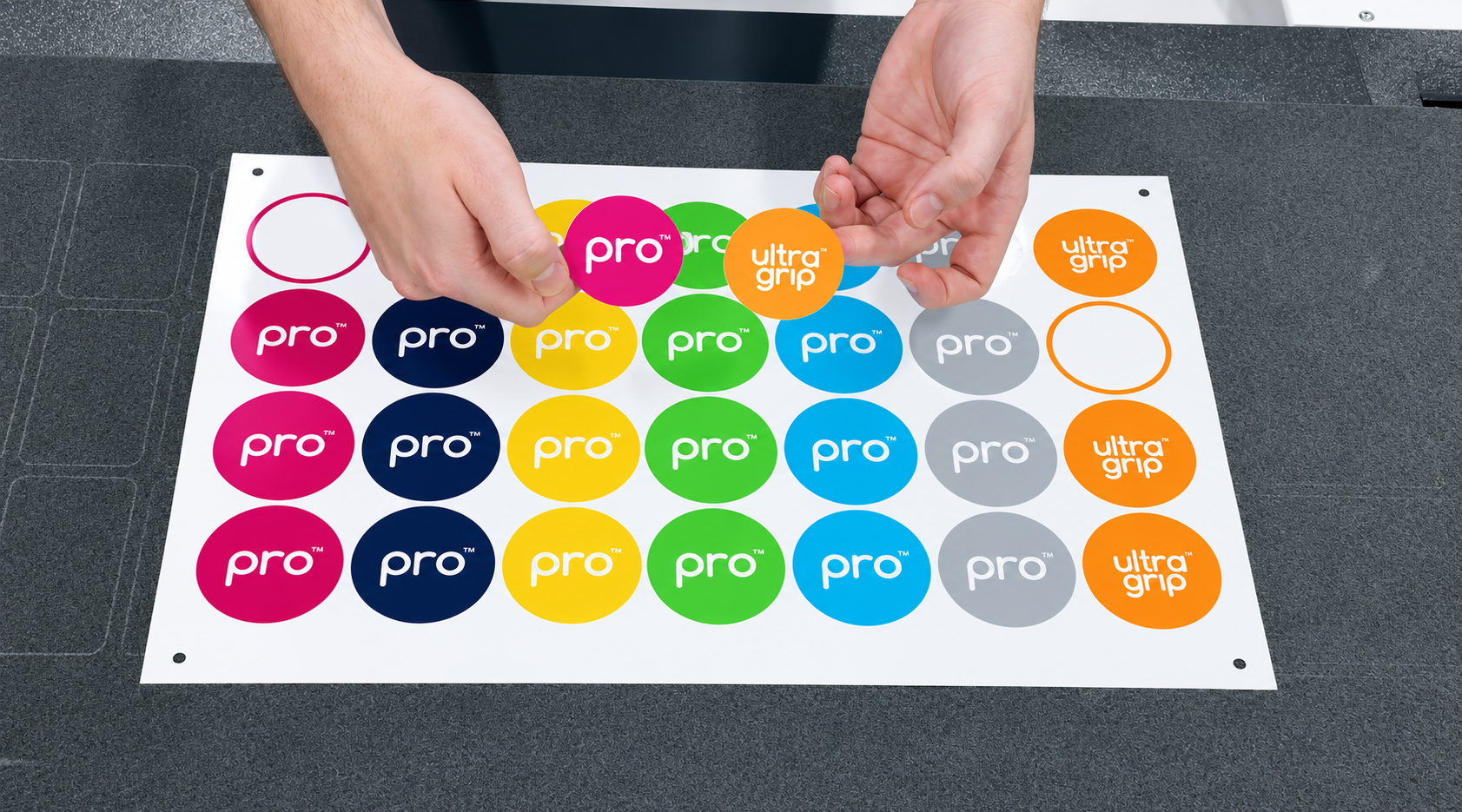
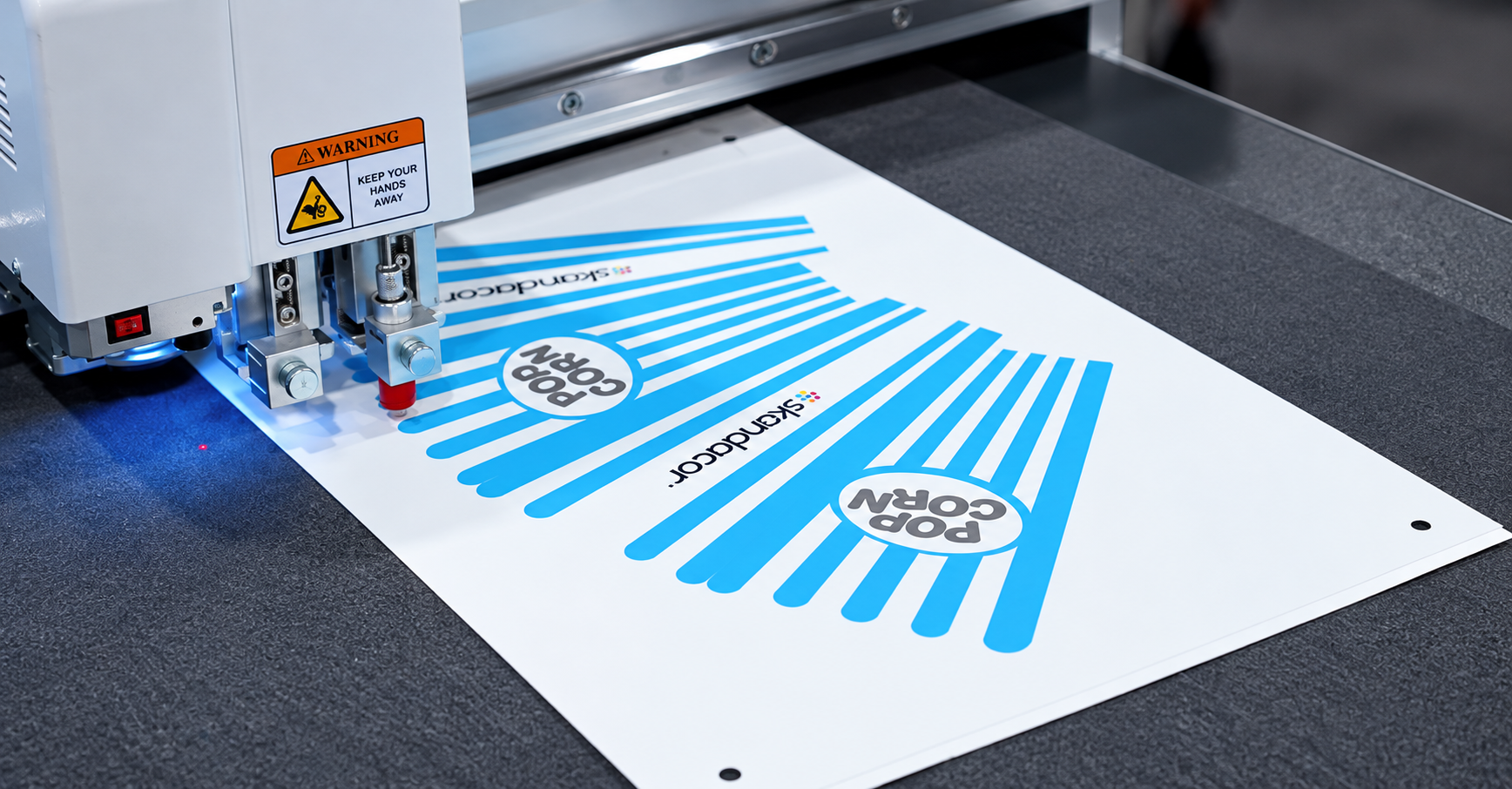
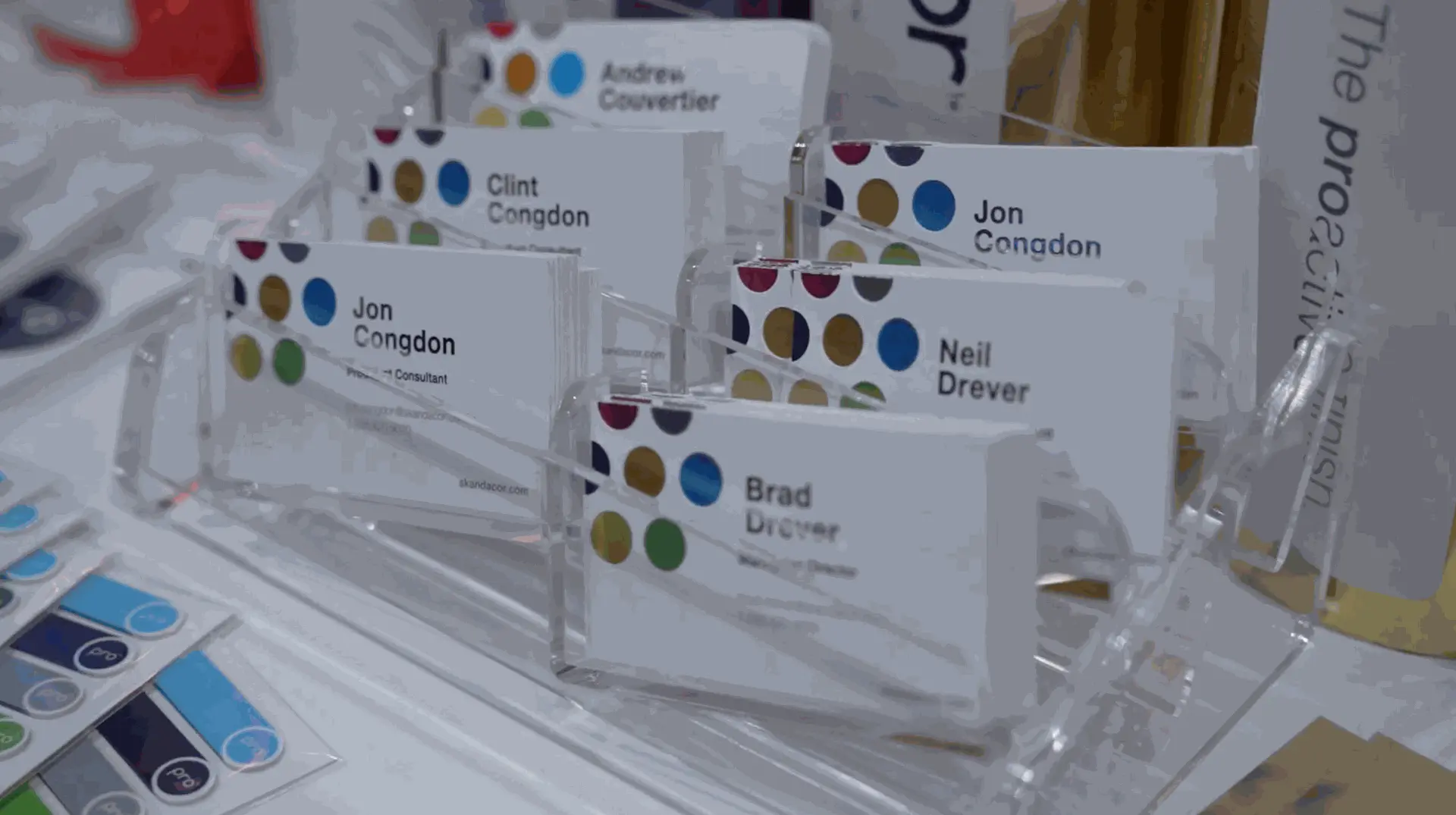
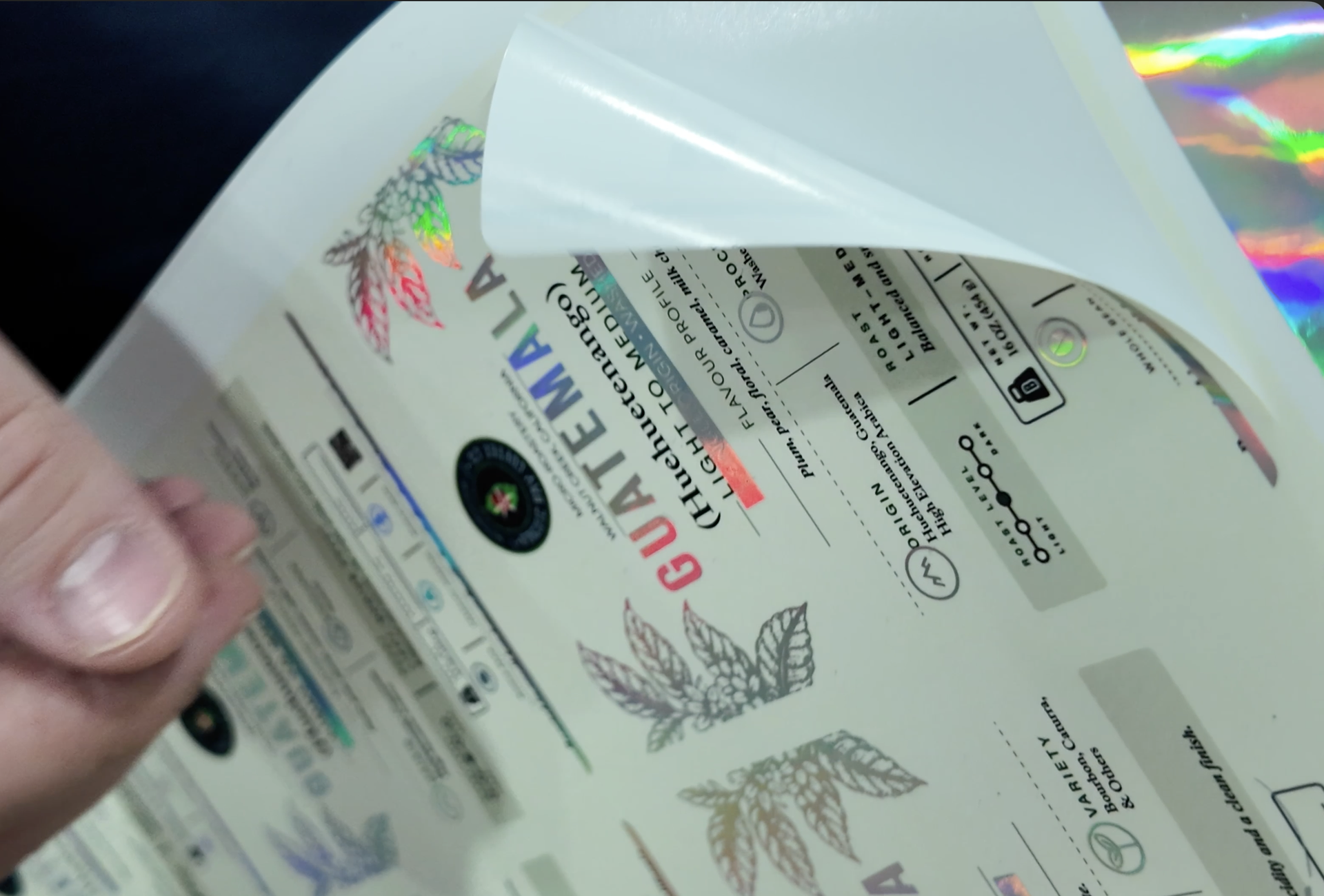
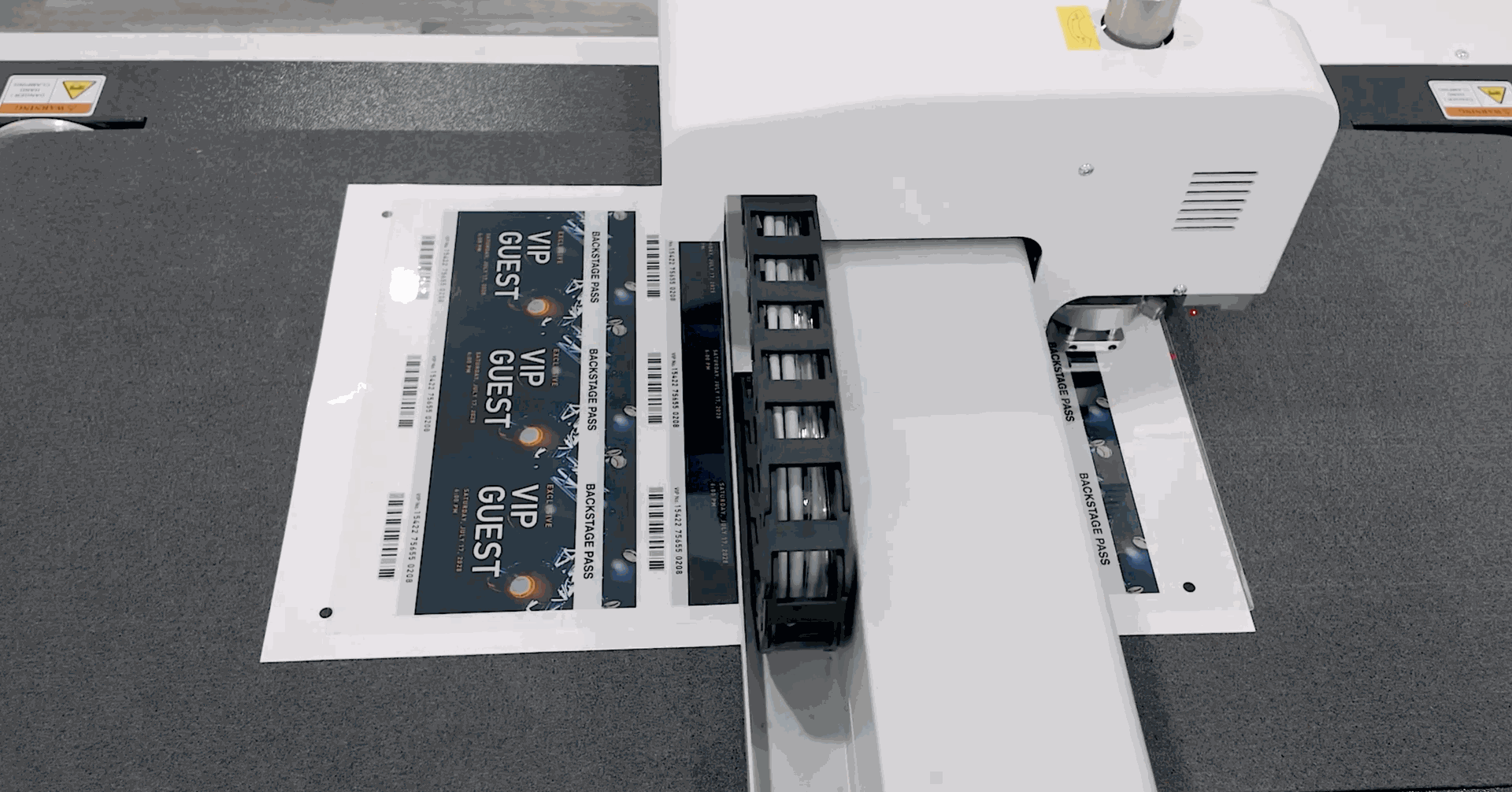
The exact applications depend on the machine's working area, tooling, and material capabilities.
Why digital cutting is different
The main distinction between digital and conventional die cutting is how the cutting pattern is created.
Traditional die cutting uses a physical die manufactured for a specific shape. That die can then be reused when producing the same design.
Digital cutting uses a digital file to define the cutting pattern instead. When the design changes, the cutting file can be changed with it, without requiring a new physical die.
That flexibility can be particularly useful for samples, prototypes, personalized pieces, and projects with multiple variations. It allows print providers to adjust the cutting pattern according to the requirements of each job.
What can you make with a flatbed die cutter?
Flatbed cutting can be used across several areas of print production, from packaging and displays to specialty print and prototypes.
Packaging
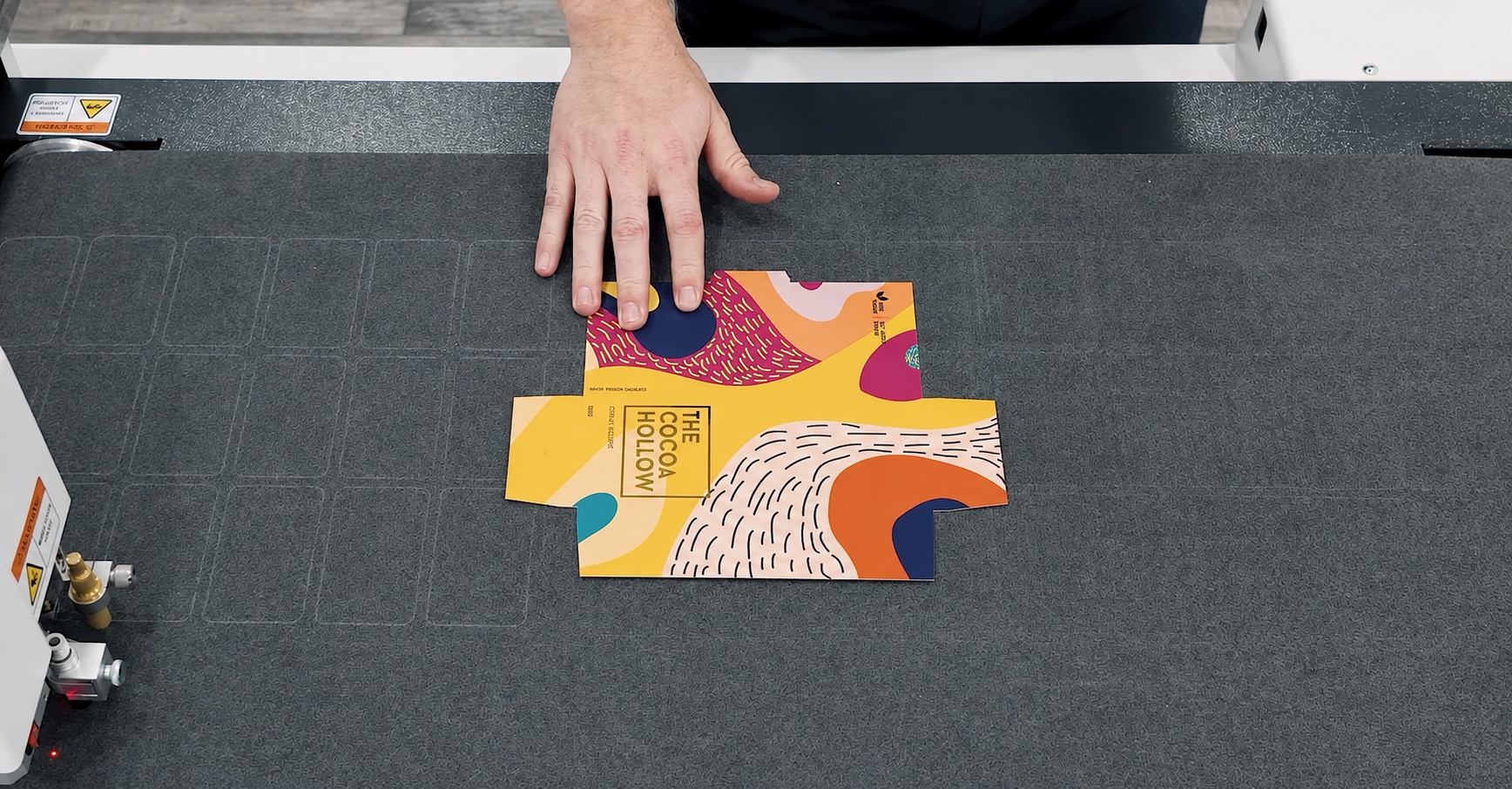
Packaging is one of the most obvious applications because the finished piece often needs both cutting and folding. A carton, sleeve, or folder may require precise cut lines along with creases that indicate where the material should fold.
Digital cutting is especially useful for creating packaging samples. Designs can be adjusted and another physical version produced without creating a new die for every change. This makes it easier to evaluate the structure before moving into larger-scale production.
Signs and displays
Signs and displays don't always need to have four straight edges. A flatbed cutter can produce contour-cut graphics, shaped display pieces, cutouts, and other custom formats when the material is suitable for the equipment.
This gives print providers another option for producing display work beyond simply printing and trimming a sheet.
Specialty print
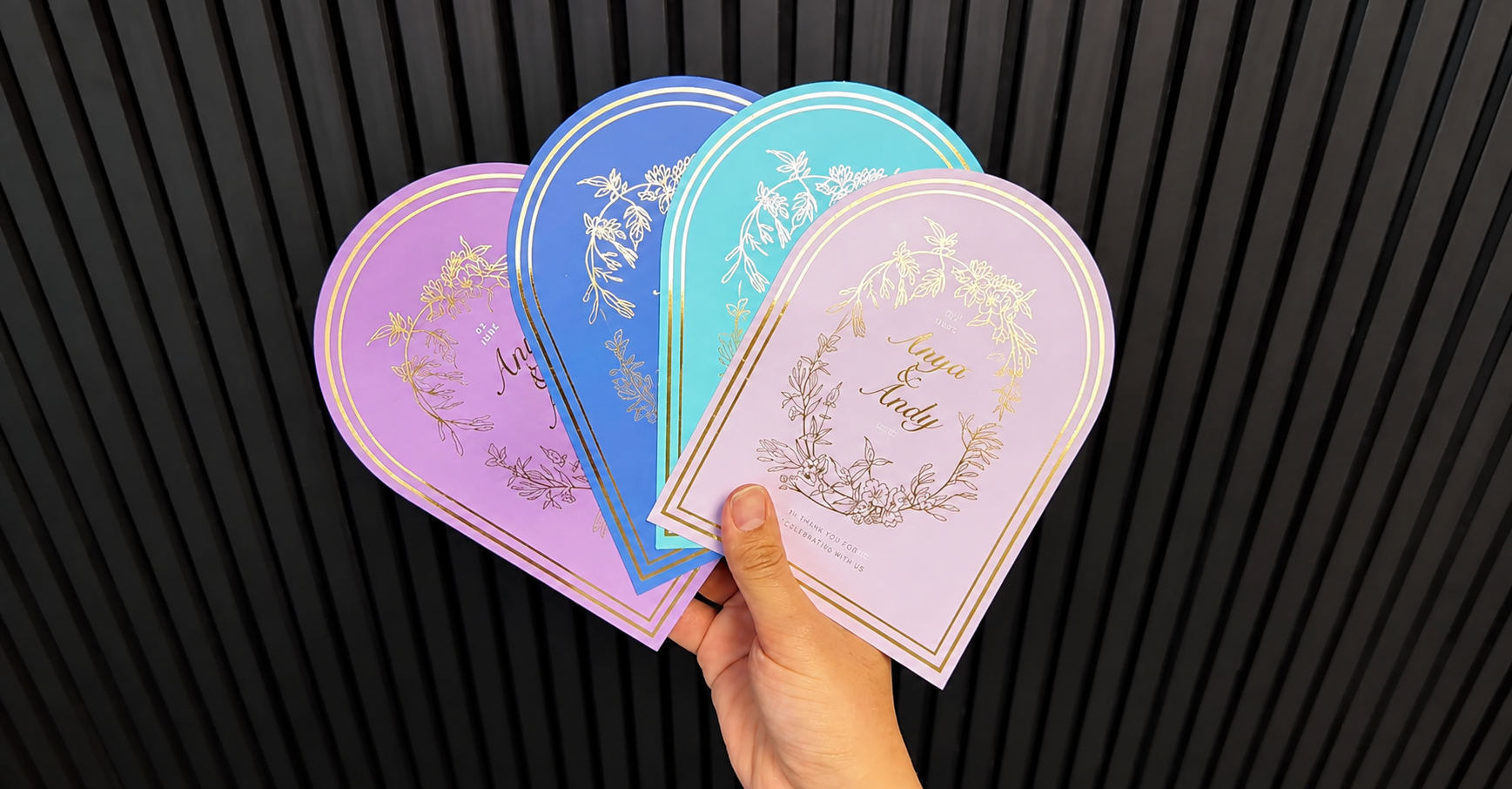
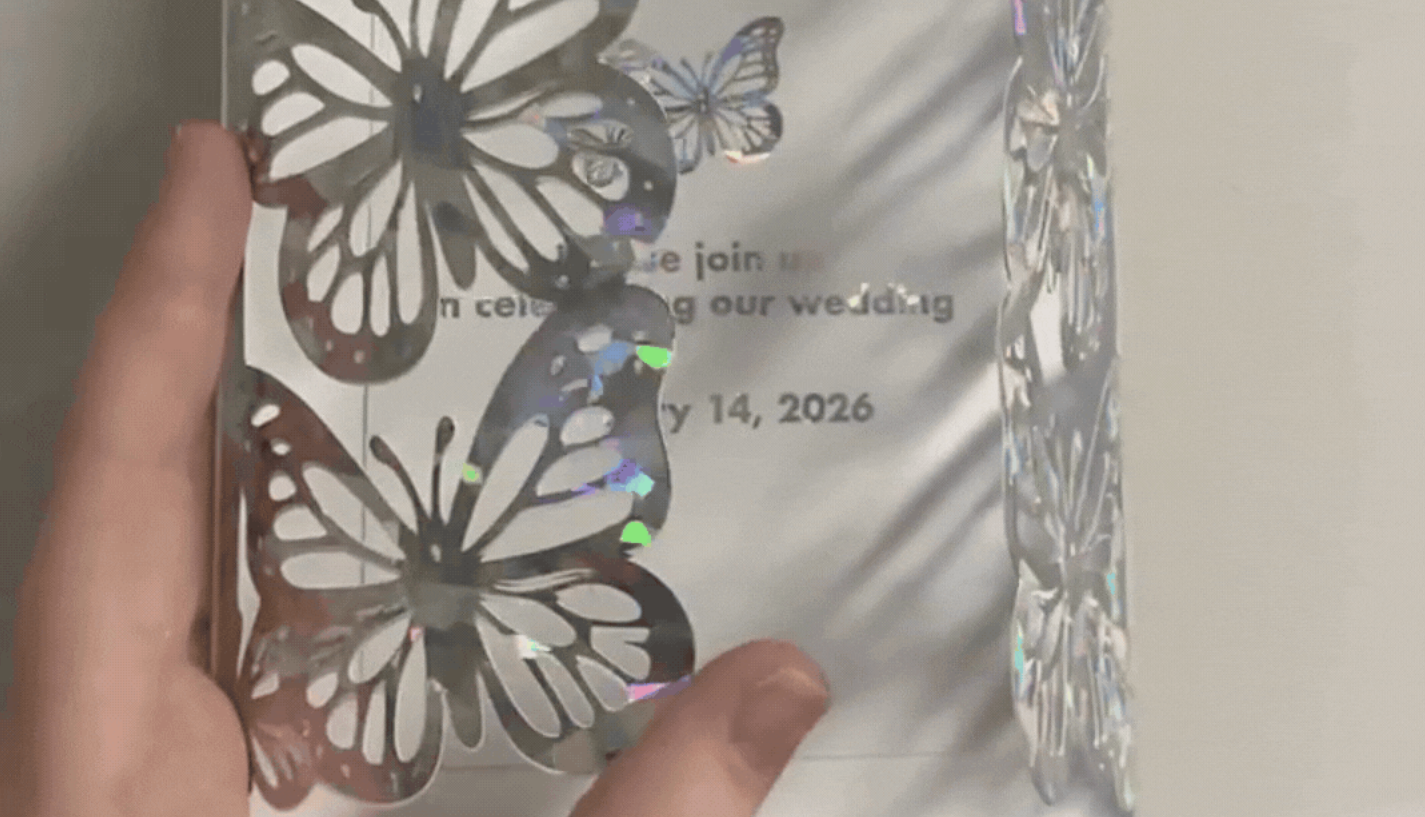
Sometimes, the shape is part of the design. Invitations, cards, labels, tags, folders, and promotional pieces can use custom edges or cutouts to create a particular look.
The same applies to products such as customized magnets, business card magnets, and other printed promotional pieces, where the finished shape can be just as important as the artwork.
Prototypes and samples
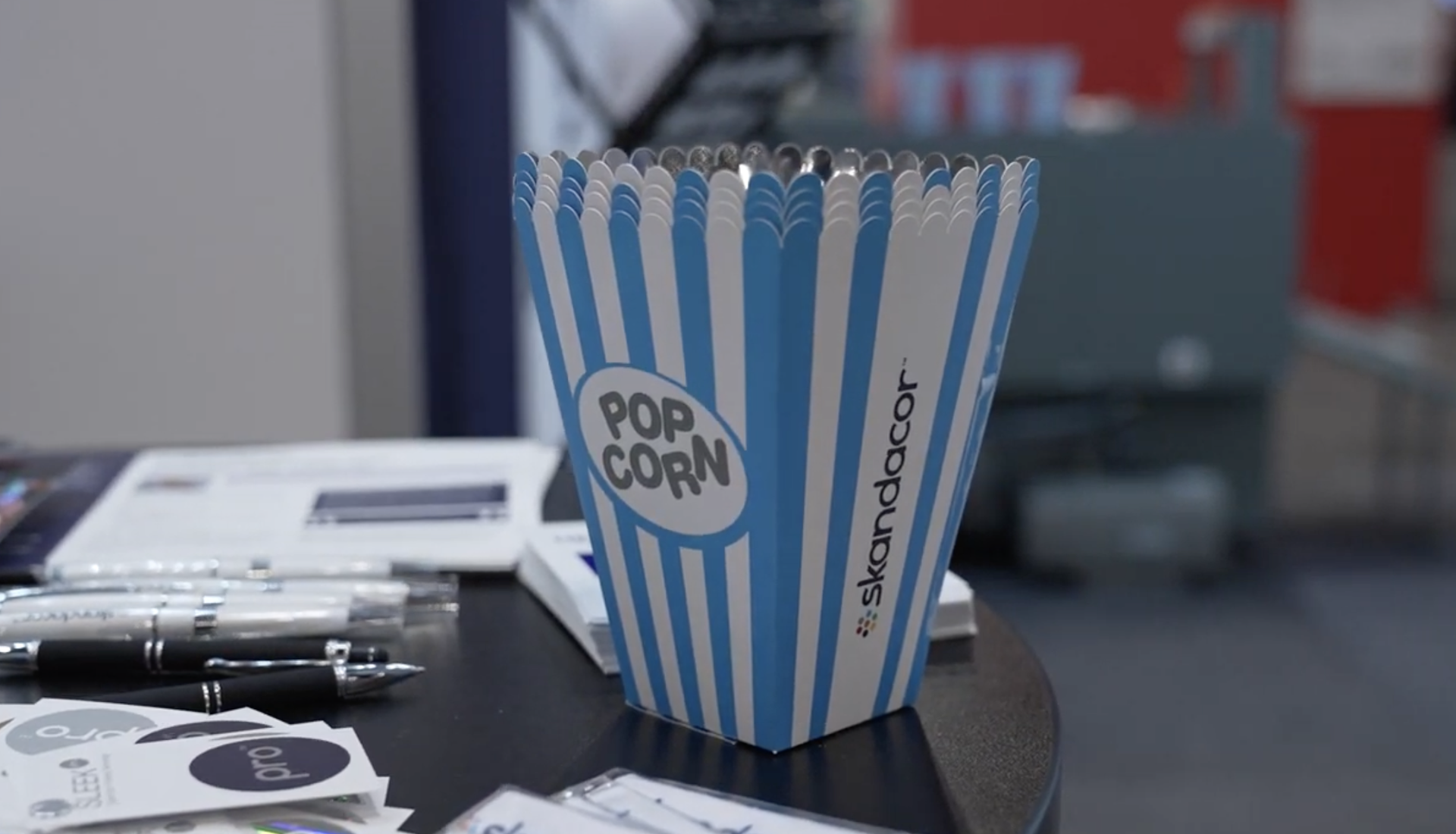
A digital file can show what a product is supposed to look like, but a physical sample shows how it actually comes together. This is particularly important for packaging, where a sample can reveal whether a fold works, whether dimensions need adjustment, or whether the final construction feels right.
Digital cutting can make the process easier when several versions need to be produced.
What materials can a flatbed cutter handle?
There's no single answer because material capability varies by machine.
Depending on the equipment, flatbed digital cutting can be used with materials such as paper, cardstock, adhesive stocks, packaging materials, magnetic materials, foam board, corrugated substrates, and other specialty media.
The important thing is to match the machine to the materials your shop actually uses.
A printer producing invitations and specialty cards may have very different requirements from a business producing packaging samples or rigid displays.
Where FINISHpro fits
At Skandacor, the FINISHpro line gives print providers different options for adding digital cutting to their production.
The FINISHpro 1523 AF is a 15" × 23" system designed for standard print applications. It's a practical fit for shops working primarily with materials such as paper, cardstock, and other everyday print substrates.
For businesses that need to go beyond standard stocks, the FINISHpro 1523 AF Max keeps the same 15" × 23" format while offering greater material capacity, including substrates up to 6 mm thick.
For larger work, the FINISHpro 2739 AF Max provides more room for applications such as displays, signage, packaging, and other larger-format pieces.
So the difference between the models isn't simply about choosing a bigger machine. It's about choosing a setup that makes sense for the size of the work and the materials you need to process.
What should you consider before buying?
Once you've established that digital cutting could benefit your production, consider four things: applications, materials, format, and workflow.
Look at the products you currently produce that require custom cutting, as well as the applications you'd like to add. This helps determine what you actually need the machine to handle.
Consider the substrates you work with now and may work with in the future. Packaging, signage, displays, and specialty products can require different material capabilities than standard print.
The machine's cutting area determines the size of work it can accommodate. If you mainly produce smaller specialty pieces, a compact format may be enough. Larger applications will require more working space. This is one of the factors worth comparing when choosing a digital die cutter for your print shop.
Consider how the cutter will fit into your existing production process, from file preparation through finishing. The goal is to add capability without creating another bottleneck.
Who actually needs a flatbed die cutter?
A flatbed die cutter can be useful for businesses where custom cutting is part of the finished product.
Commercial printers may use one for specialty pieces such as shaped cards, labels, folders, and promotional materials. Packaging companies can use it to create samples and test new structures. Sign and display producers can use it for contour-cut graphics and custom display components.
It can also make sense for shops regularly handling different designs in smaller quantities, especially when jobs frequently change in shape, format, or material.
The size of the business isn't necessarily the deciding factor.
It's the type of work that matters.
Final Thought
A flatbed die cutter isn't valuable simply because it can cut more shapes. Its real value is in what those capabilities allow your business to produce. The right equipment should give your shop the flexibility to take on different applications while matching the materials, formats, and requirements of the work you actually handle.
When your finishing capabilities keep pace with your customers' ideas, more possibilities become practical to produce.
At Skandacor, we provide digital cutting and finishing solutions for print providers across Canada, USA, Europe, and beyond.
More to Explore
Want to read more about digital die cutting and finishing? Here are a few related Skandacor articles: