Are you getting the most out of your finishing equipment, or are production costs and preparation time holding you back from taking on more specialty jobs? As customer demand for distinctive printed products grows, finding efficient ways to add value to your work becomes increasingly important. Commercial hot foil machines can help you improve your production workflow, make better use of your equipment, and explore new finishing opportunities. Here are seven ways to make your finishing operations more efficient and profitable.
1. Reduce Preparation Time with a Digital Hot Foil Machine
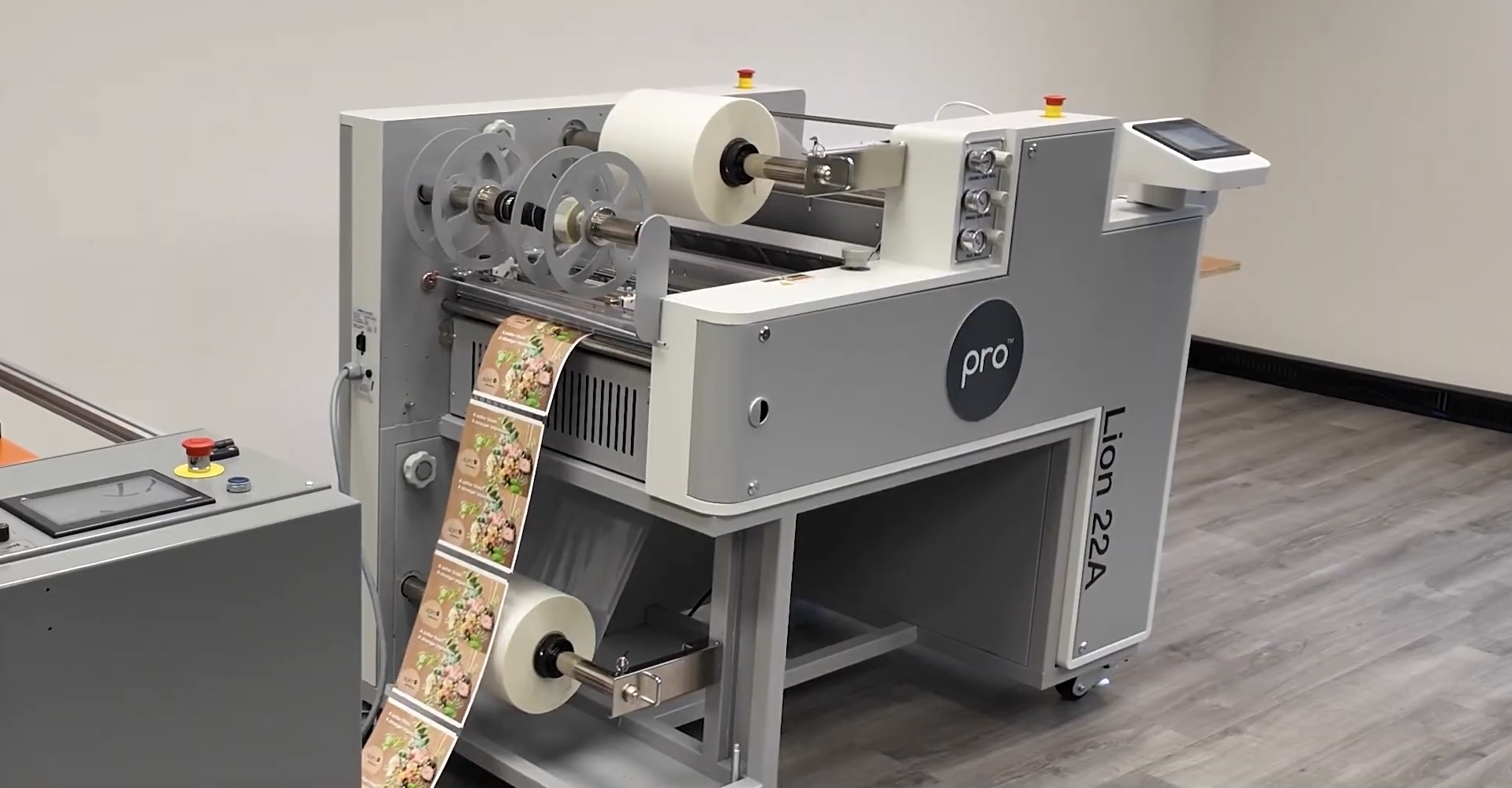
Traditional hot foil stamping relies on custom metal dies to transfer a design onto a substrate. Before production can begin, these dies must be manufactured and prepared for the job, adding tooling expenses and lead time. Depending on the supplier and complexity of the design, obtaining a custom die can take several days or longer. If your shop regularly handles design changes or projects with tight deadlines, waiting for custom tooling can slow down your production schedule.
A digital approach offers an alternative for compatible applications by eliminating the need for a custom stamping die. In toner-based systems, digitally printed toner serves as the bonding area for the foil, allowing it to adhere to designated parts of the design. A foiling laminator machine, for example, can use this process to transfer foil onto compatible printed areas without the preparation required for traditional die-based stamping.
This approach gives you more flexibility when preparing jobs. By eliminating the need for custom dies and reducing setup requirements, you can move from artwork preparation to production with fewer delays. This makes it easier to accommodate last-minute design changes, meet tighter deadlines, and keep your production schedule moving.
2. Make Your Existing Laminators More Valuable
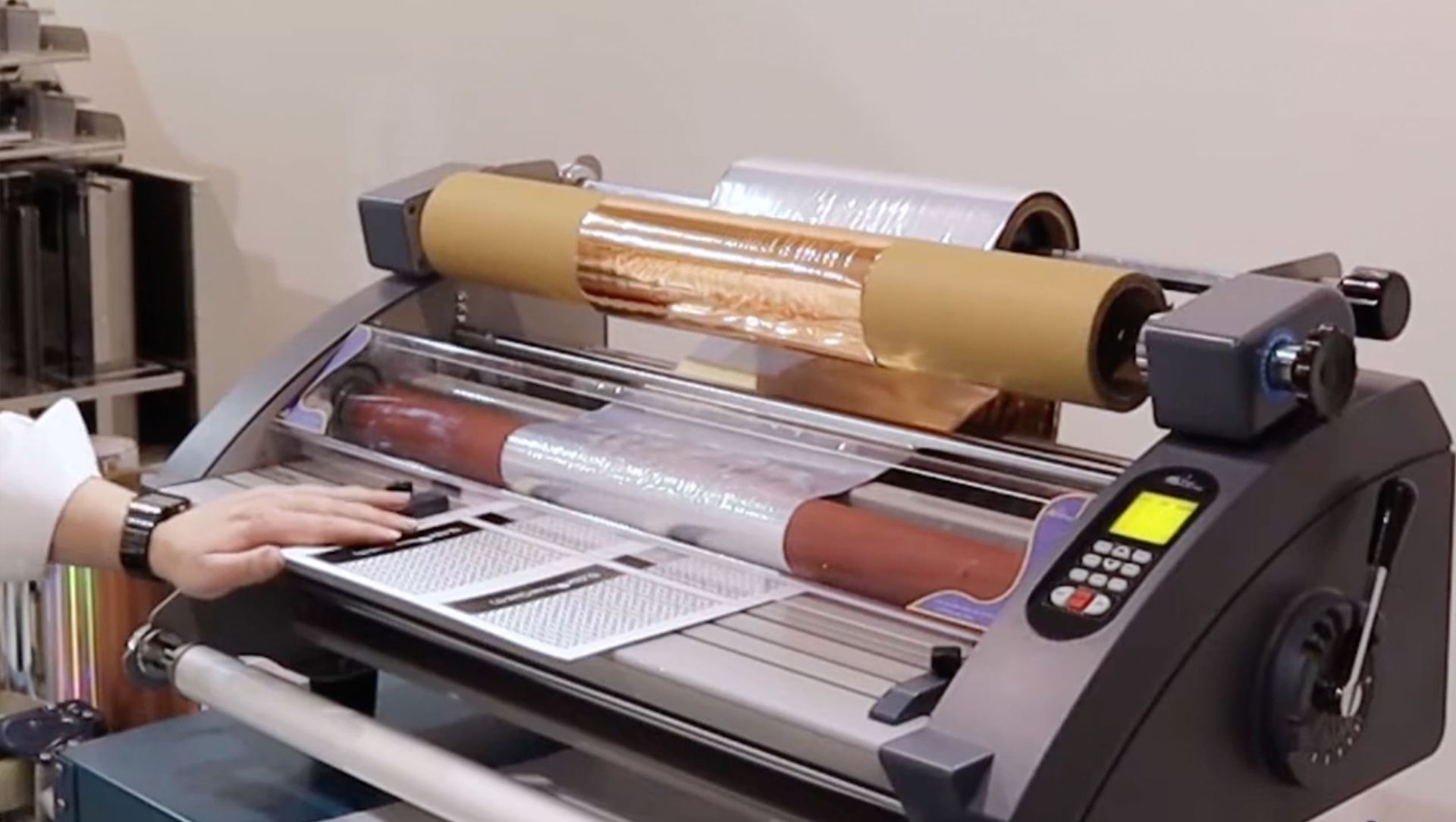
If you're planning to add digital foiling capabilities to your print shop, your first step doesn't necessarily have to be purchasing new equipment. Depending on its configuration, your existing thermal laminator may already be suitable for the application. Evaluating your current equipment can help you determine whether an upgrade is necessary or if you can introduce foil embellishment using resources you already have.
Toner-based digital foiling uses heat and pressure to transfer foil onto compatible printed areas. However, not every thermal laminator is equipped to handle this process effectively. Several features should be evaluated before using your existing equipment:
- Motorized take-up mandrel. This mechanism collects the used foil film after transfer, helping prevent it from bunching up or wrapping around the rollers.
- Roller configuration. Chrome and rubber rollers can both be used for foiling, although their pressure and heat characteristics may affect the results.
- Adjustable operating settings. Temperature, speed, and pressure controls allow you to test and adjust settings according to the materials and foil being used.
If your current laminator meets these requirements, you may be able to introduce digital foiling without investing in an entirely separate system. This can help reduce initial equipment expenses while making better use of your existing production resources.
You can learn more about the features and requirements to consider in our guide to using an existing laminator for digital foiling
3. Make short run digital embellishment more practical
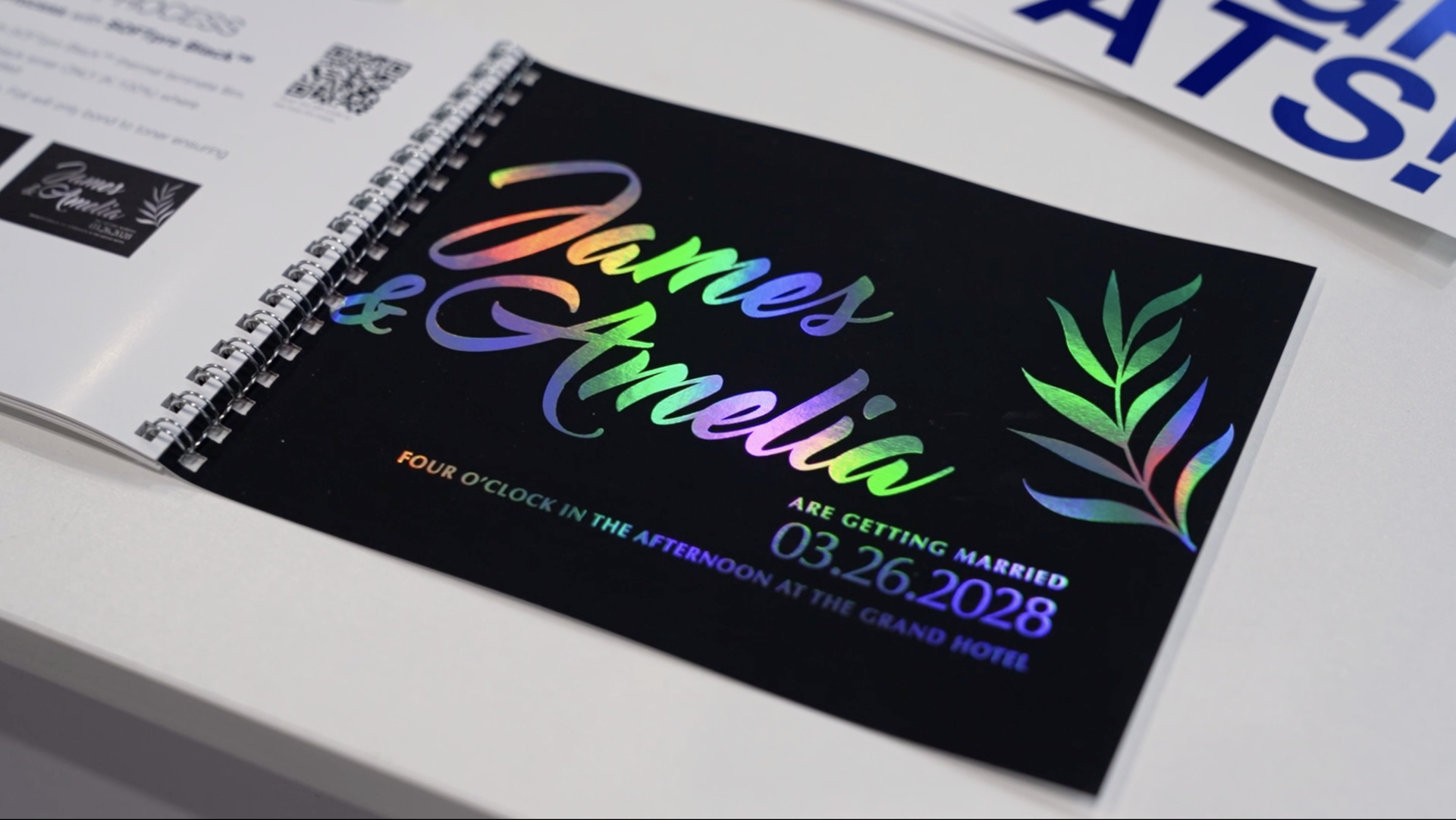
Producing small quantities of foil-finished products can be costly when traditional hot foil stamping is involved. Even if a customer only needs 30 business cards or a few custom gift boxes, you still have to account for the cost and preparation of a custom metal die. These expenses can make smaller orders difficult to price competitively, leaving you with the choice of charging more or turning down the project.
Digital foiling gives you a more practical way to handle these requests. Since the process doesn't require a custom stamping die, you can avoid tooling expenses that would otherwise add to the cost of a small job. This makes it easier to accept orders with lower quantities without passing significant tooling costs on to your customers.
As a result, you can offer specialty finishes on projects that don't require large production runs. Small batches of promotional materials, limited-edition packaging, and customized business cards become more accessible to customers who only need a specific quantity.
For your business, this means you don't have to rely solely on large orders to make foil embellishment worthwhile.
4. Explore different applications with sleeking foil
Sleeking offers you another way to incorporate specialty foil finishes into your production services. It is a digital application process that uses compatible printed toner as the bonding surface, allowing foil to adhere to selected areas of a design without requiring a custom stamping die.
You can use metallic foil to emphasize typography on promotional postcards, highlight logos on presentation folders, or add decorative details to product packaging. Holographic finishes offer another option for specialty cards and event materials where you want to create a more eye-catching result.
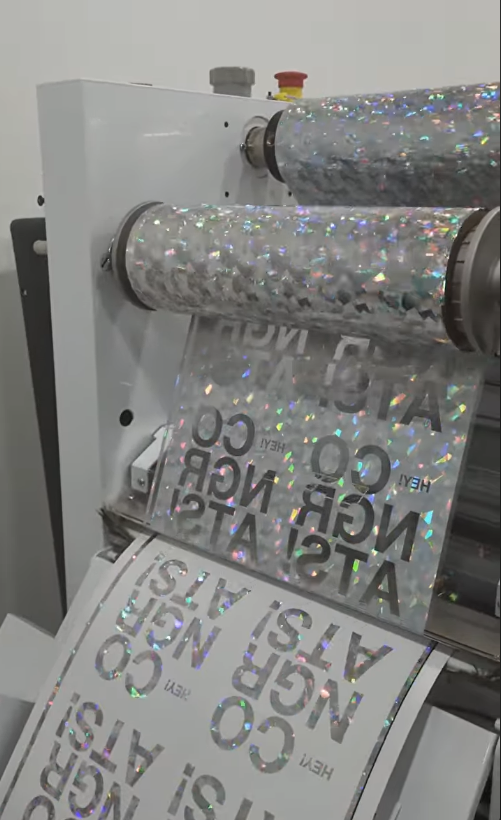
Skandacor's LAMpro Cheetah S15 is one example of equipment designed to support these applications. It supports SLEEKpro technology for variable-data foil stamping, spot varnishing, and holographic effects on compatible digital prints. Its semi-automatic feeding system is suited to on-demand and short-run production, handling sheets up to 15" × 22", with an optional extension for sheets up to 48" long. The machine's flying knife sheet separation system also helps you process tougher laminate films that can be difficult to separate using conventional methods.
These capabilities give you more flexibility when handling specialty projects, particularly those involving customized designs and shorter production runs.
When planning these applications, remember that the final result depends on material compatibility. The combination of toner, foil, substrate, and machine settings can affect adhesion and finish quality. Testing these elements before a full production run helps you establish reliable settings and minimize material waste.
5. Expand Your Finishing Options with a Spot UV and Foiling Machine
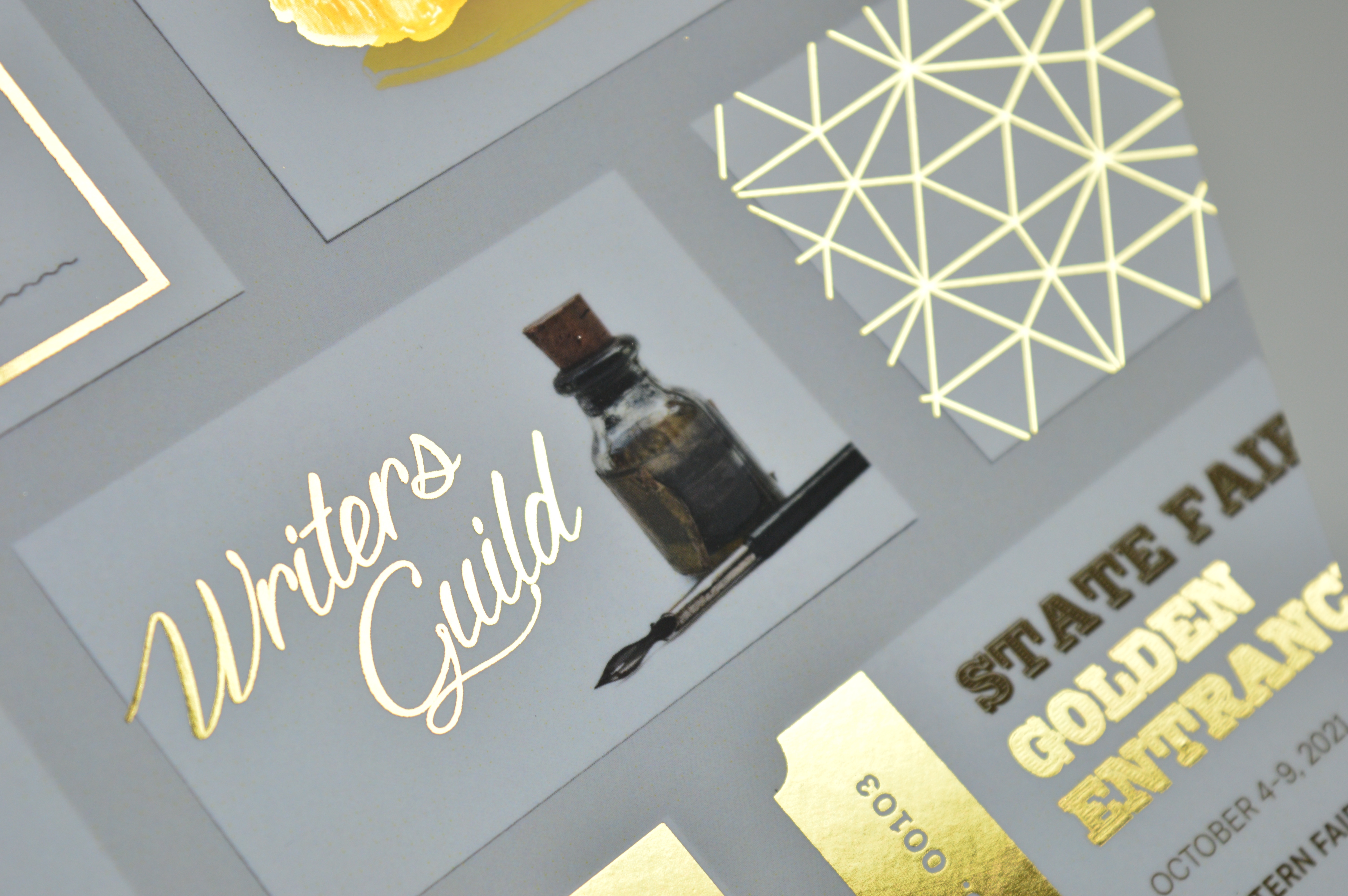
Customers have different expectations when it comes to specialty finishes. Some projects call for metallic accents, while others benefit from selective gloss or a combination of finishing effects. Foil and spot UV serve different purposes: foil creates metallic or specialty surface effects, while spot UV applies a localized glossy coating to selected areas of a printed piece.
Offering access to both applications can help your shop respond to a wider range of customer requests. Business cards, invitations, packaging, and promotional materials all present opportunities to incorporate specialty finishes, depending on the design and intended application.
These effects can also be achieved through complementary equipment. For example, the FINISHpro 3D 1623 applies UV resin to create flat or raised embellishments, while the LAMpro Lion 22A supports SLEEKpro digital foiling, including foil application over compatible raised UV finishes. Together, they allow print providers to combine dimensional details with metallic accents in suitable projects.
Before investing in equipment, consider which effects your customers request most often and whether your production volume justifies adding these capabilities. Understanding how each process fits into your workflow can help you avoid unnecessary purchases while expanding the finishing options you can offer.
6. Give Customers More Choices Through Personalized Print Embellishment
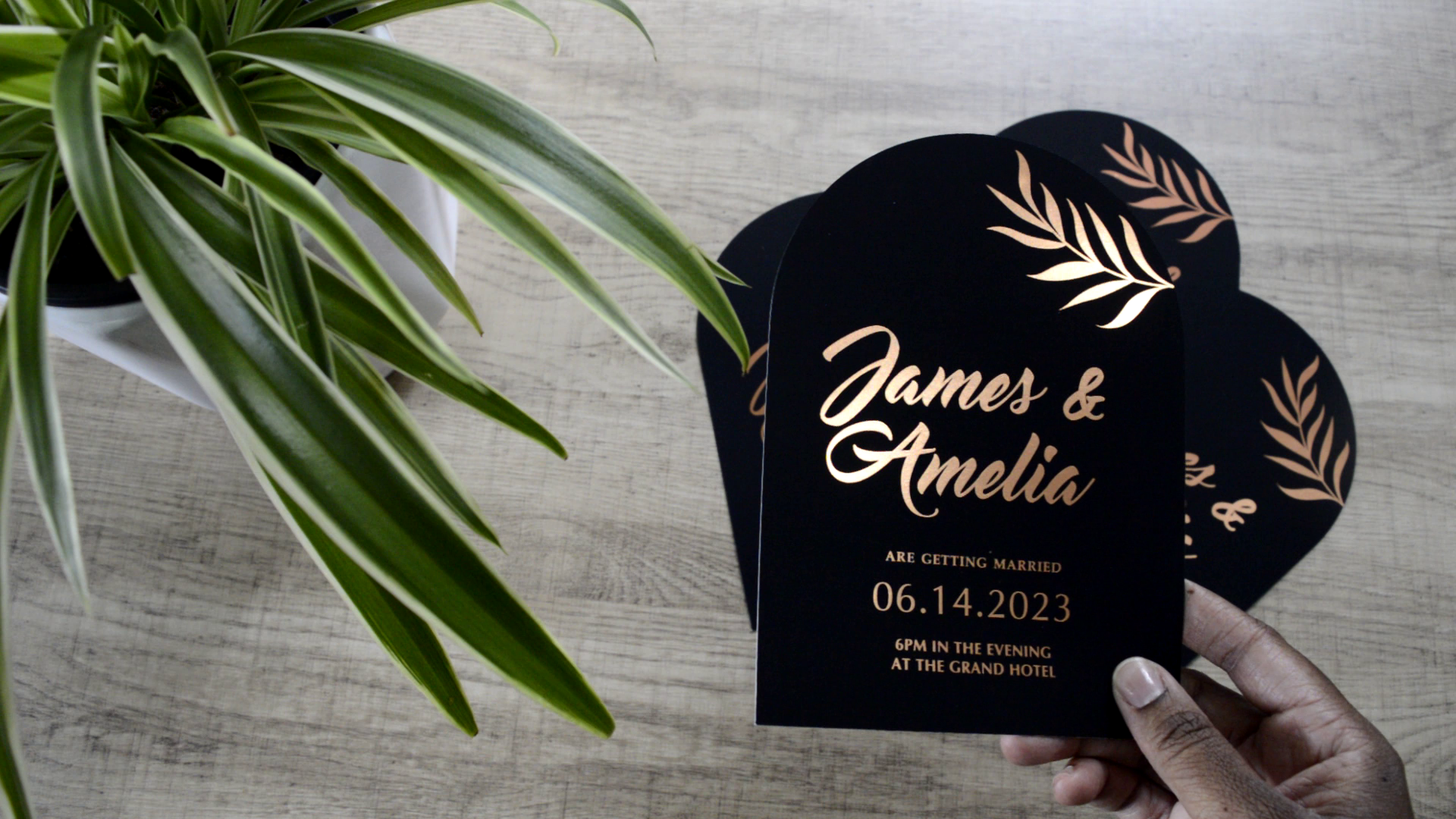
Customers often look for printed products that reflect their personal preferences or brand identity. Offering a range of finishing options allows you to accommodate these requirements and create products that are more tailored to each customer's needs.
You can provide choices in foil colors, design placement, and the specific elements customers want to emphasize. For example, a wedding stationery customer may select a foil color that complements the event's theme, while a business may prefer a finish that aligns with its brand identity. These options allow you to adapt each project to the customer's preferred style and design requirements.
Providing physical samples can also help customers make informed decisions. Foil swatches, sample layouts, and finished print pieces allow them to compare different effects and visualize how each option will look before approving a design. This gives your team a practical way to present available finishes and guide customers through the selection process..
For your business, offering these choices gives you more ways to differentiate your services and provide products with added value. It also allows you to serve customers looking for more distinctive printed materials, creating opportunities to build stronger relationships and encourage repeat orders.
7. Choose the best lamination machine for your production needs

The right equipment should support the work your shop produces today while giving you room to explore additional applications. Start by reviewing your typical job requirements, including sheet sizes, substrate compatibility, production volume, and the types of finishes your customers request. If digital foiling is part of your plans, look for equipment that supports your intended application alongside your everyday finishing requirements.
For example, Skandacor offers several LAMpro systems designed for different production environments. The LAMpro Bobcat S15M is a compact option for shops handling on-demand work and digital foil applications. The LAMpro Cheetah S15 is designed for on-demand production and shorter runs, with SLEEKpro technology supporting digital foil, spot varnishing, and holographic effects. For shops with broader production requirements, the LAMpro Lion 22A offers single-sided and duplex lamination, encapsulation, and SLEEKpro digital foiling capabilities.
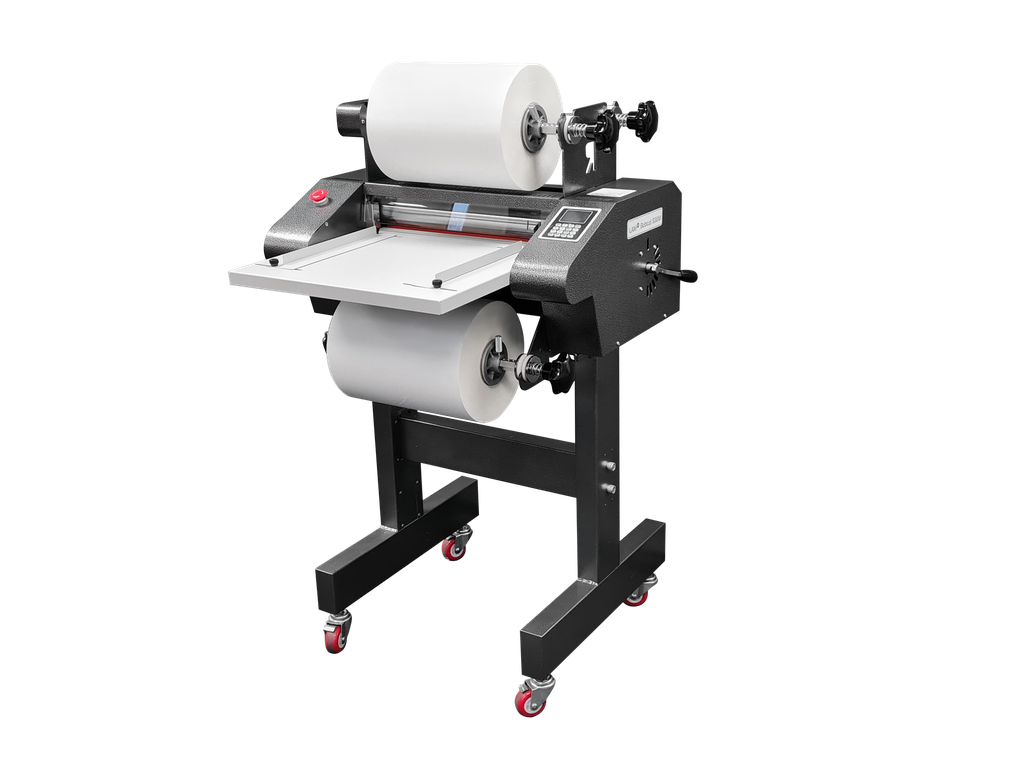
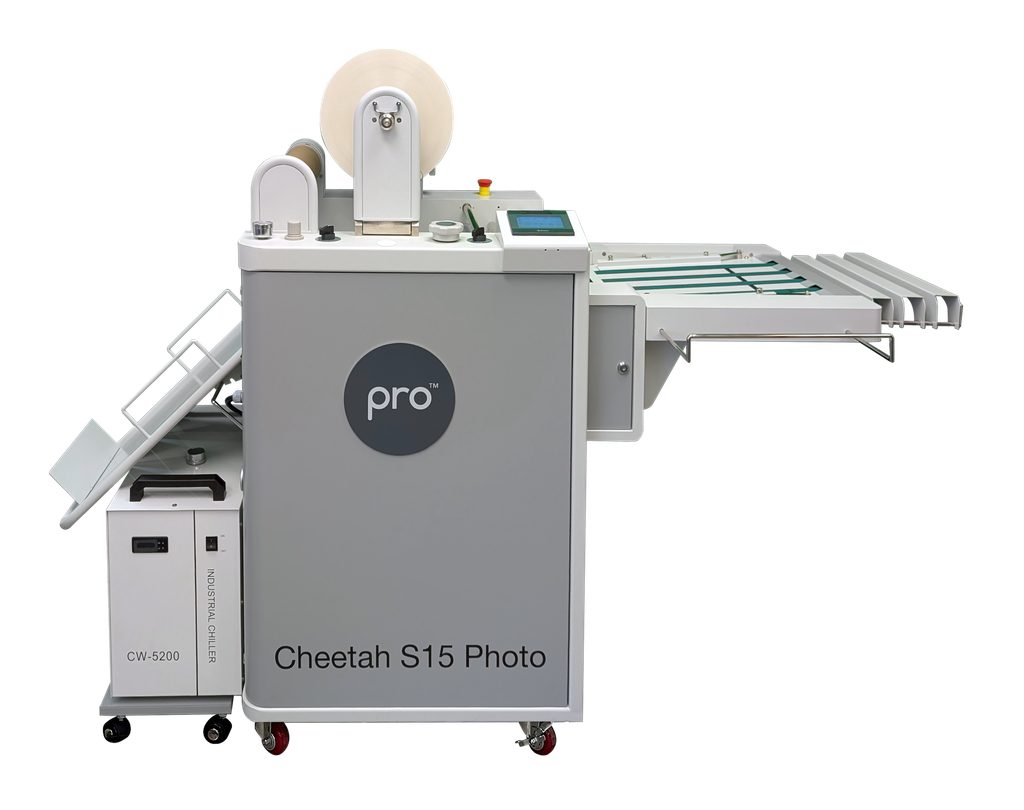
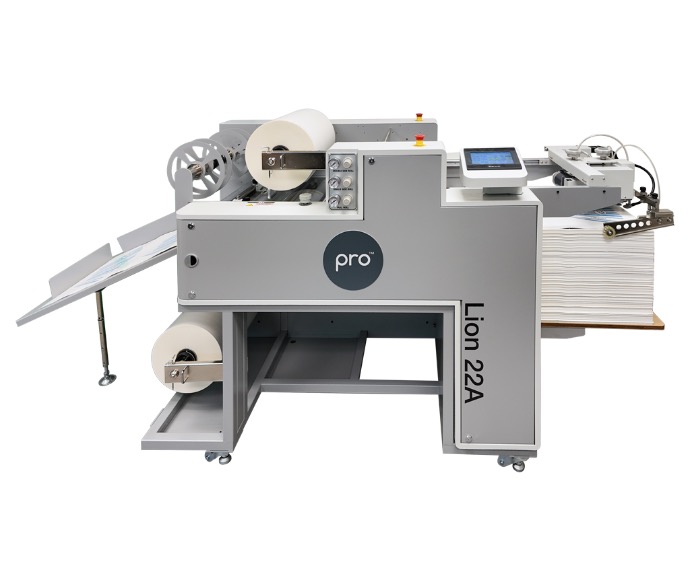
These machines demonstrate the importance of selecting equipment based on your shop's specific production requirements. A smaller operation handling customized projects may prioritize a compact system with efficient changeovers, while a higher-volume facility may benefit from automated feeding and broader finishing capabilities.
Before making a purchase, take time to review sample applications and test the materials you intend to use. Evaluating how a machine performs with your actual substrates and production requirements can help you make a more informed investment, ensure the equipment meets your expectations, and minimize unexpected costs.
Beyond the machine's capabilities and initial purchase price, consider the long-term cost of ownership. Consumables, maintenance, operator training, technical support, and production changeover requirements all contribute to ongoing operating expenses. Evaluating these factors together can help you choose equipment that delivers practical value and supports your business over time.
Make your finishing investment count
Saving time and money isn't simply about finding equipment that processes jobs faster. It's about choosing the right technology for your applications, reducing unnecessary preparation, and building a workflow that supports your business goals.
Skandacor works with print providers across Canada, the USA, and Europe, helping businesses explore finishing equipment and solutions for different production requirements. Before investing in new capabilities, consider the projects your customers request, the jobs you currently outsource, and the production challenges you'd like to address. These are useful starting points for determining which finishing solutions make the most sense for your shop.