Metallic foil can add a premium finish to everything from business cards to invitations and packaging, but achieving consistent results starts with choosing equipment suited to the job. For print shops considering bringing foiling in-house, finding the best laminator for foiling involves more than comparing machine specifications. The foiling process, material compatibility, production requirements, and operating costs all play a role.
Here are five factors to consider when choosing a laminator for foiling, so you can find a solution that works for your shop today and supports your future business goals.
1. Match Your Equipment to Your Commercial
Printing Embellishment Needs
Start with the applications you want to produce, not the machine itself.
Adding metallic logos to business cards is different from creating foil invitations, presentation folders, or short-run marketing materials. Each application comes with its own requirements, from the materials you use to the size of the sheets and the level of detail in the design.
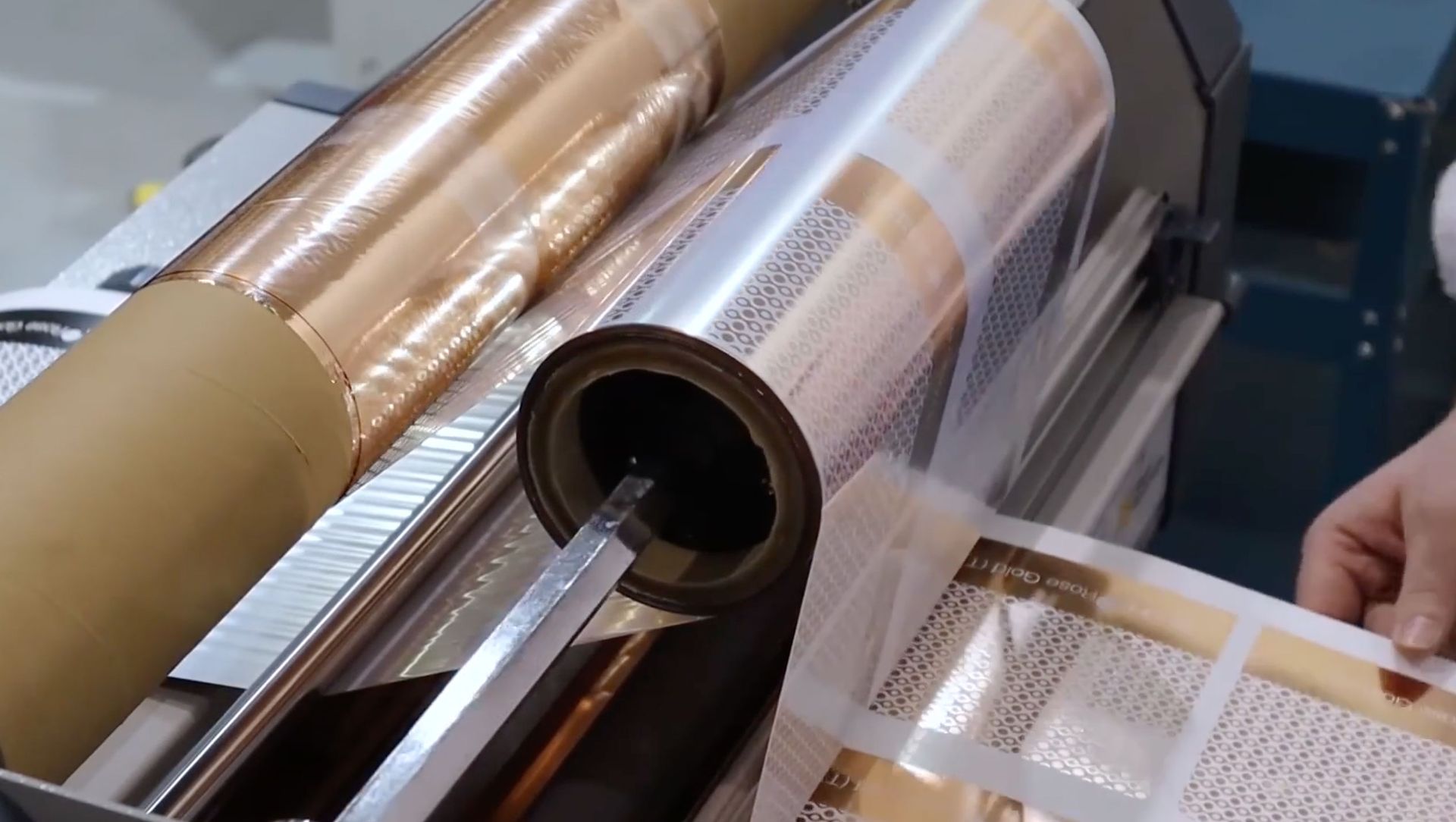
This is where commercial printing embellishment becomes a practical business decision. Before comparing models, identify three things:
- Your target applications: List the products you want to offer first, including the paper stocks and sizes you commonly use.
- Your typical order quantities: Consider whether you mainly handle one-off projects, repeat orders, or multiple versions of the same design.
- Your existing equipment: Determine how the foiling process will fit alongside your current printing, laminating, and finishing steps.
Knowing what you want to produce makes it easier to narrow down equipment that fits your shop. It also helps you avoid investing in features you may rarely use.
2. Understand What a Foil Laminator
Machine Can Do
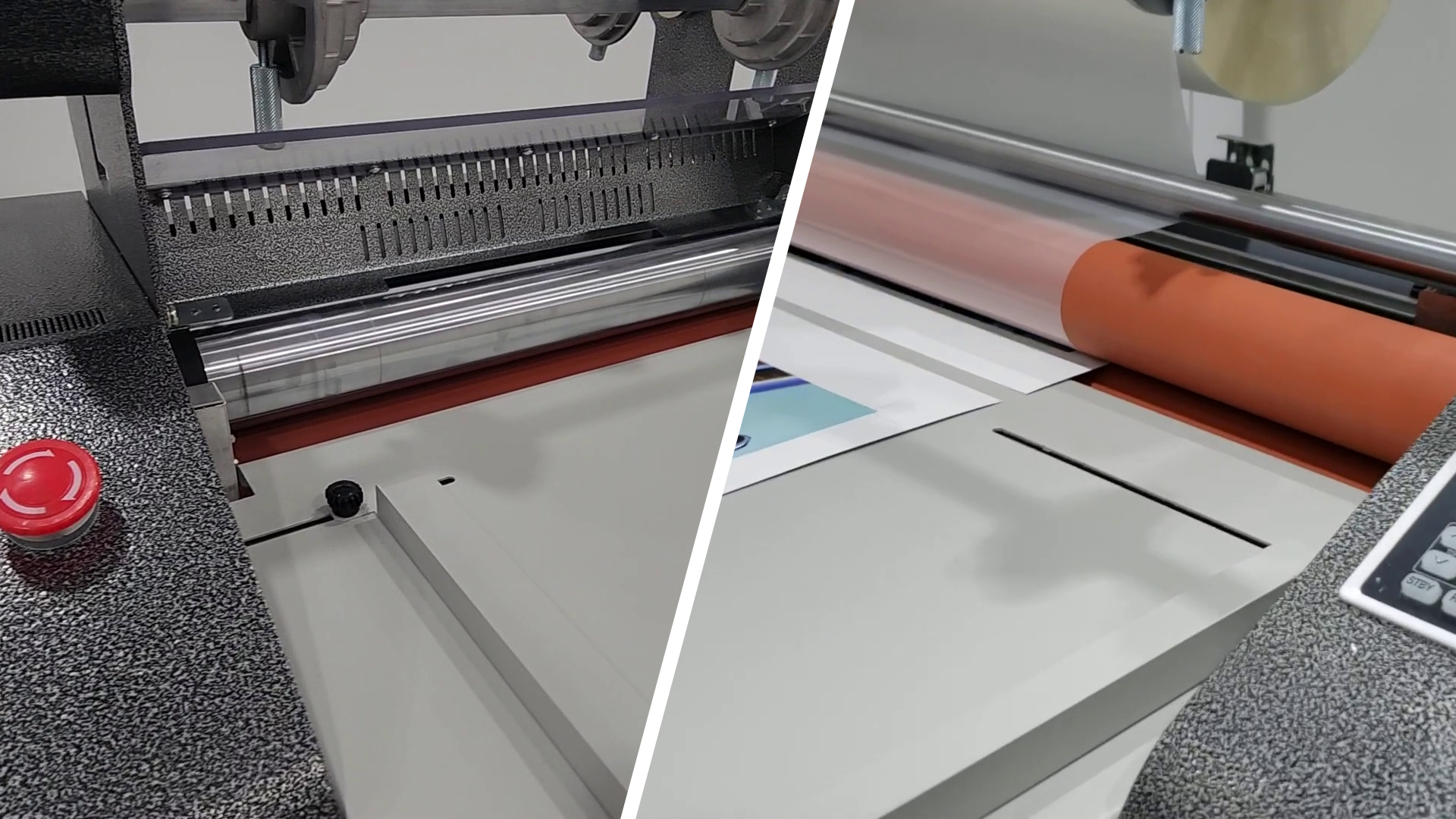
Not all laminators handle foiling the same way. Before choosing a foil laminator machine, it helps to understand how the process works and what the equipment is designed to do. Different foiling methods have different requirements, which can affect the materials you use, the results you achieve, and how the process fits into your production workflow.
- Toner-based digital foiling uses heat and pressure to transfer metallic foil onto compatible printed areas. This lets you highlight specific elements of a design, from logos and headlines to smaller graphic details. The final result depends on using a compatible image layer, foil, and equipment.
- Traditional hot foil stamping, on the other hand, uses a heated die to press metallic foil onto the material. Because the design typically requires its own physical die, the setup process differs from digital foiling, especially when switching between designs.
Neither method is automatically suitable for every job, so consider the applications you intend to produce. If you're exploring foiling with a laminator, choose a digital embellishment solution that works with your printing process, substrates, and intended applications.
3. Evaluate Whether Short-Run Digital
Embellishment Fits Your Workflow
When evaluating foiling equipment, consider also the time and effort required to complete each job, not just the machine's processing speed. Artwork preparation, setup, material changes, and quality checks all contribute to your overall production time.
For shops handling personalized projects or frequent design changes, short run digital embellishment can be a practical option. Since digital foiling can eliminate the need for a custom physical die for each design, it can make smaller orders and multiple artwork variations easier to manage, depending on the equipment and process used.
ExampleA print shop producing several small orders of foil business cards throughout the day may handle different artwork and quantities for each customer. In this situation, reducing setup time and unnecessary manual handling can be just as important as the machine's processing speed.
Keep in mind that a machine's advertised speed doesn't necessarily reflect how much work you can finish in a day. Frequent setup changes or additional handling can affect actual output, even when sheets are processed quickly.
Finally, consider how the machine will fit into your existing workflow. If printing, lamination, and other finishing steps already compete for time or space, make sure the new equipment can work alongside them without slowing down production.
4. Test Your Materials Before Committing
to a Machine
A foiling setup that performs well on one material may not deliver the same results on another. Paper coatings, toner coverage, surface texture, and compatibility between the foil and printed image can all affect how cleanly the foil transfers and how the finished piece looks.
That's why samples and demonstrations are important when comparing equipment. Whenever possible, ask to see samples produced using your own artwork and materials rather than relying only on standard demonstration pieces.
Include fine text, detailed graphics, and solid foil areas in your tests. Look at foil adhesion, edge definition, and whether any unwanted foil transfers to areas outside the design.
Also ask whether the machine supports the sheet sizes and stock weights you use most often. If you plan to work with coated paper or specialty stocks, confirm compatibility with the supplier before committing to a purchase.
Testing gives you a clearer picture of what the equipment can deliver under real production conditions. It can also help identify adjustments your printing process may need before you introduce foiling into your regular workflow.
5. Compare the Full Cost of Adding Digital Foiling
The purchase price is only one part of the investment. To understand the benefits of digital print embellishment for your shop, consider the costs and potential applications together.
A useful starting point is to estimate the cost of producing a typical foil job in-house. Include:
- Materials: Foil, paper, and other consumables.
- Labor: Time spent preparing artwork, setting up the equipment, and handling finished sheets.
- Equipment costs: Financing or ownership costs, along with maintenance.
- Production waste: Extra sheets used for setup, testing, and quality control.
Compare this estimated cost with what you currently pay to outsource similar jobs, along with the selling price you expect customers to pay. Personalized print embellishment may be worth exploring if your customers need customized invitations, certificates, or other pieces with changing names and details.
The goal isn't simply to produce foil in-house. It's to determine whether doing so can improve your margins, shorten turnaround times, or help you offer products that customers are willing to pay more for.
Bringing Lamination and Digital Foiling Together
For print shops looking to add digital foiling without investing in a separate machine for every finishing process, a laminator that supports multiple applications may be worth considering.
Skandacor's LAMpro Lion 22A and LAMpro Bobcat S15M both support lamination and SLEEKpro digital foiling, but they are designed for different production needs.
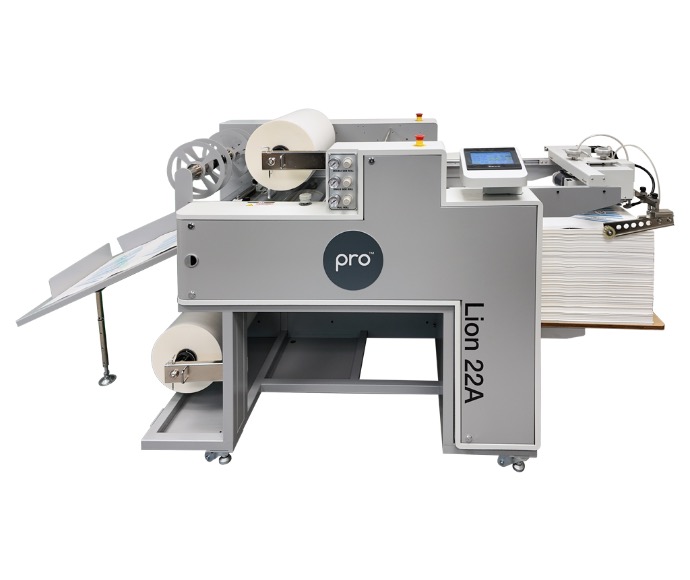
LAMpro Lion 22A
The Lion 22A offers automatic feeding, single-sided and double-sided lamination, duplex encapsulation, and digital foiling. Its automated feeding and range of finishing capabilities make it an option for print shops handling different types of finishing work.
LAMpro Bobcat S15M
The Bobcat S15M offers a more compact, manually fed solution for shops looking to bring specialty finishes in-house. It supports single-sided and double-sided lamination, along with digital foiling, and includes a built-in decurler to help produce flatter sheets during single-sided lamination.
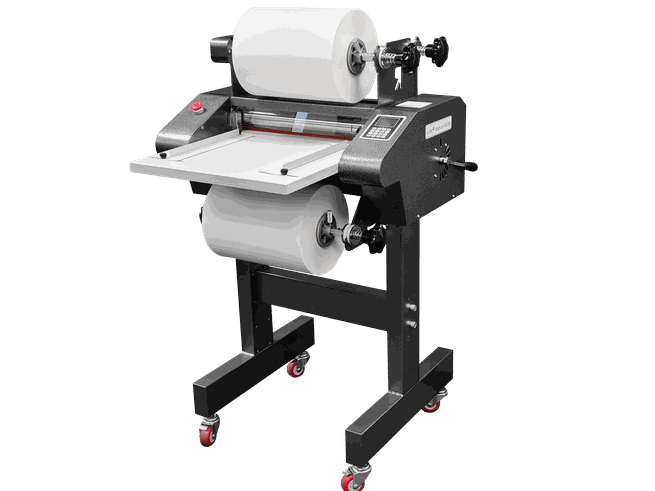
The right choice depends on your applications, production volume, available space, and how much manual handling your team can accommodate.
Not sure which setup would work best? Start by sharing the products you want to create, the materials you use, and your typical order quantities. Skandacor's team can help you explore the equipment and finishing options suited to your workflow.
Final Thought
Whether you're looking to bring outsourced work in-house or introduce premium finishes to your product lineup, choosing the right equipment starts with understanding your applications.
Skandacor offers finishing solutions for print shops looking to explore lamination, digital foiling, raised UV, and other specialty applications. Serving customers across Canada, USA, Europe, Skandacor brings together equipment and materials for a range of embellishment applications.
Have a project in mind? Visit www.skandacor.com or contact Skandacor team at sales@skandacor.com to discuss your materials, production requirements, and the finishing options that may work best for your shop.