How do you know which hot and cold laminator machines are worth considering? The answer starts with understanding what you print, the materials you work with, and the finish your customers expect.
The right laminating equipment can do more than protect printed materials. It can help your print shop improve production efficiency, bring more finishing work in-house, and expand the services you offer customers. From business cards and brochures to stickers and large-format graphics, different projects call for different finishing approaches. Before investing in new equipment, let's explore how hot and cold lamination work, what sets them apart, and how to find a machine that fits your shop's needs.
Hot and Cold Laminator Machine: Which Type Fits Your Workflow?
Should you choose hot or cold lamination for your print shop? The answer depends on the materials you work with and the results you want to achieve. Both methods apply a protective film to printed materials, but they use different processes to bond the film to the surface.
Hot Lamination
Hot lamination uses heat and pressure to activate the adhesive and bond the film to the printed material. It's a common choice for finishing brochures, business cards, menus, and presentation covers. A heat laminator machine may be a good fit if you regularly work with compatible thermal laminating films.
Cold Lamination
Cold lamination, on the other hand, uses pressure-sensitive adhesive that bonds without heat activation. This can be useful when you're working with certain heat-sensitive materials – such as vinyl, foils, digital prints – or applications that call for pressure-sensitive films. As with hot lamination, you'll need to make sure the film, substrate, and equipment are compatible.
For print providers, the decision often comes down to the applications they produce most frequently. A shop specializing in commercial print may benefit from thermal lamination, while one producing signage or specialty graphics may have different requirements.
Neither process is automatically better. The right choice is the one that supports your materials, applications, and day-to-day production needs.
Understanding Your Cold Laminator Options
workloads or specific projects that use pressure-sensitive films, a manual cold laminator machine may be worth considering. These machines rely on pressure rather than heat to apply the film, making them useful for compatible materials that shouldn't be exposed to high temperatures.
But what if your projects involve larger prints? A wide format cold laminator machine offers a wider working area, allowing you to laminate compatible graphics that wouldn't fit through smaller equipment. This can be useful if your shop regularly handles large-format prints or display materials. When comparing machines, look at the maximum media width, supported film types, and how much material you typically process.
If you're considering wide-format equipment, Skandacor's LAMpro Panther lineup offers two options for different media widths:
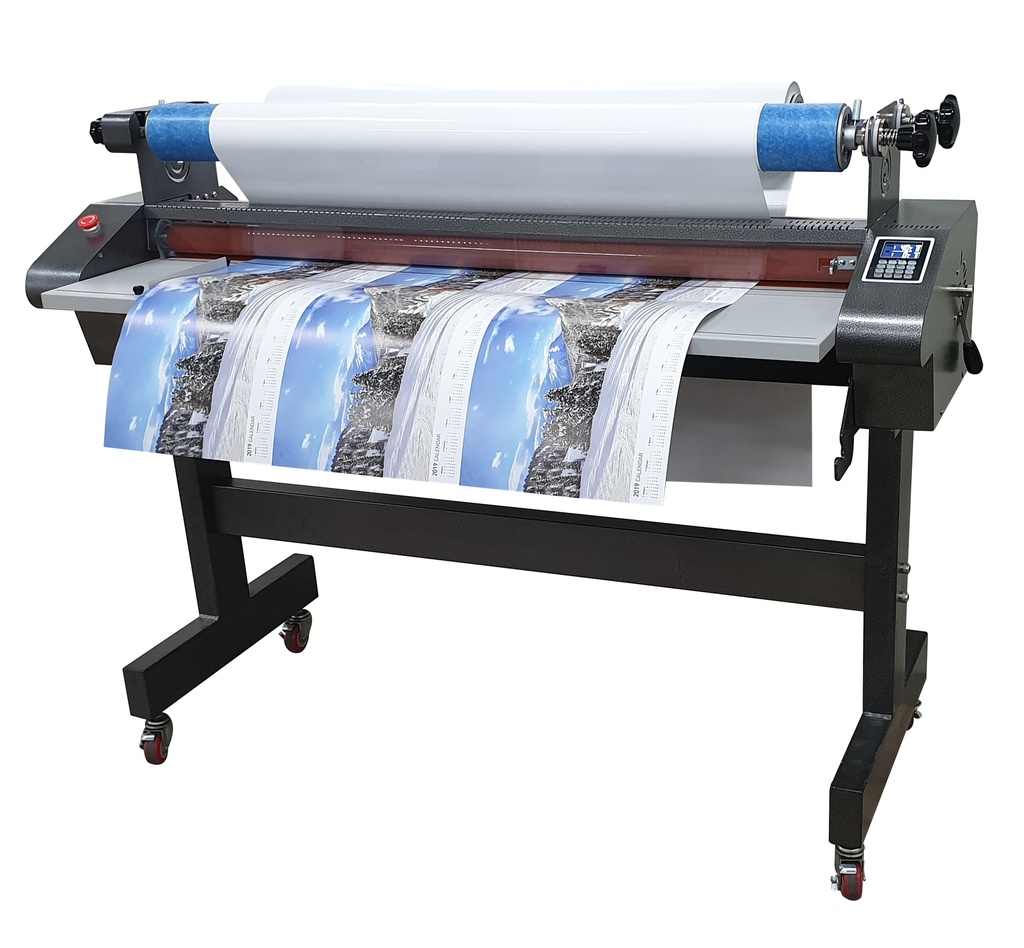
47"
LAMpro Panther D47HR
A practical choice for print shops handling a range of everyday laminating jobs, from marketing materials to graphics for displays. Its 47-inch media capacity can accommodate many common wide-format applications.
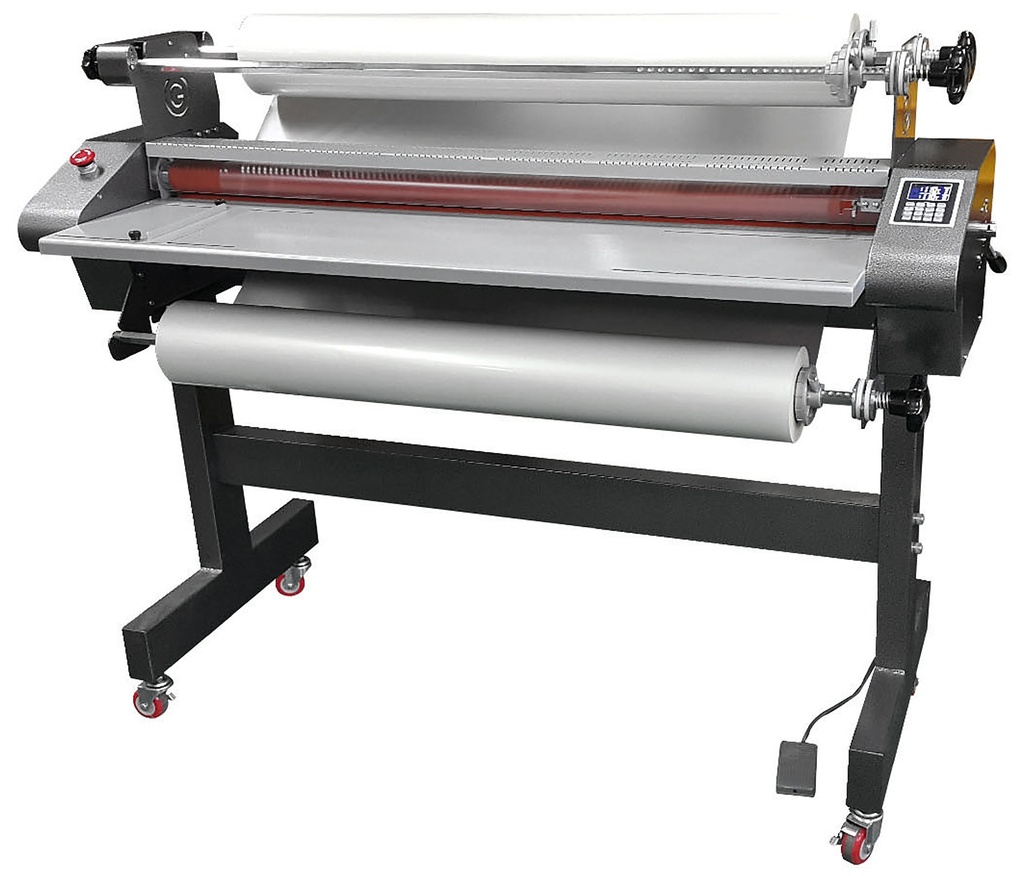
65"
LAMpro Panther D65HR
Offers more flexibility for shops working with oversized graphics, exhibition materials, and other large-format projects. Its 65-inch media capacity gives operators more room to handle wider jobs.
Both models are hot roll laminators that can also support compatible cold laminating applications, depending on the film and substrate. Be sure to check the manufacturer's specifications to confirm compatibility with your materials.
You may also come across the term cold roll laminator machine when researching your options. However, this doesn't necessarily mean the machine uses cold lamination exclusively. Some roll laminators support both hot lamination and compatible cold pressure-sensitive films, so it's important to check the manufacturer's specifications before making a decision.
Beyond the laminating method itself, consider how the equipment fits into your production workflow. Are operators feeding individual sheets manually? Are you processing larger volumes or longer runs? How frequently do you switch between materials?
Understanding these requirements can help you choose equipment that reduces unnecessary handling and supports a more efficient finishing process.
Sticker Laminator Machine: What Should Your Print Shop Consider?
Stickers, labels, and decals are a good example of why choosing the right laminating process matters. Different applications require different levels of protection, finishes, and material compatibility.
Whether you're producing product labels, promotional stickers, or large-format decals, choosing the right sticker laminator machine starts with understanding how the finished product will be used.
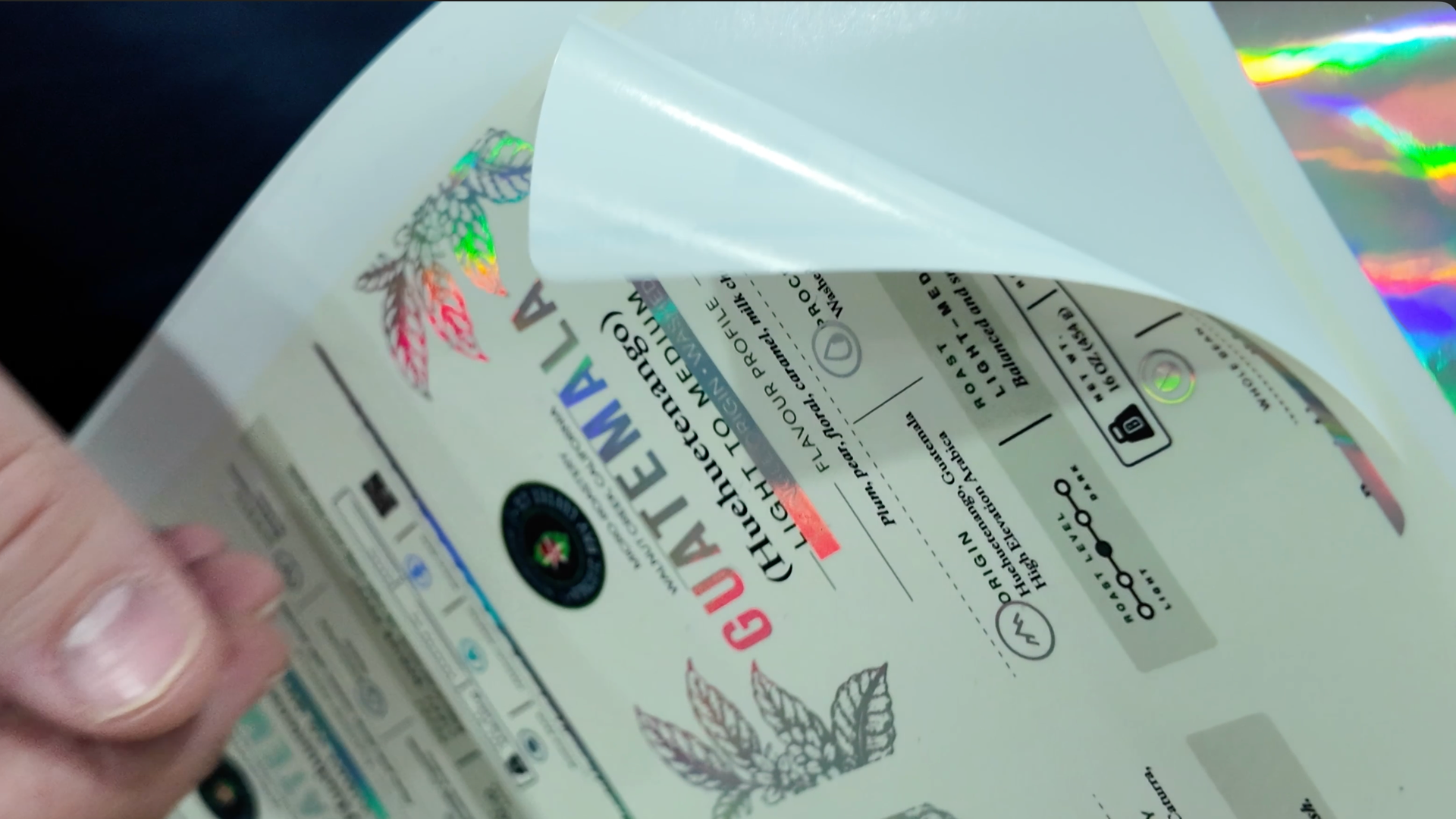
For smaller items, a pouch laminator may be suitable for certain applications. If your shop regularly handles continuous prints or larger graphics, however, a roll laminator may be a more practical choice. Consider your typical media size, the laminating films you use, and how much you need to process each day to determine which type fits your workflow.
A hot roll laminator machine uses heated rollers to bond compatible thermal laminating films to printed materials. For stickers and labels, this process can add a layer of protection while helping achieve the desired finish. Before choosing a machine, consider the materials you're working with, the film's compatibility with your prints, and how the finished products will be used.
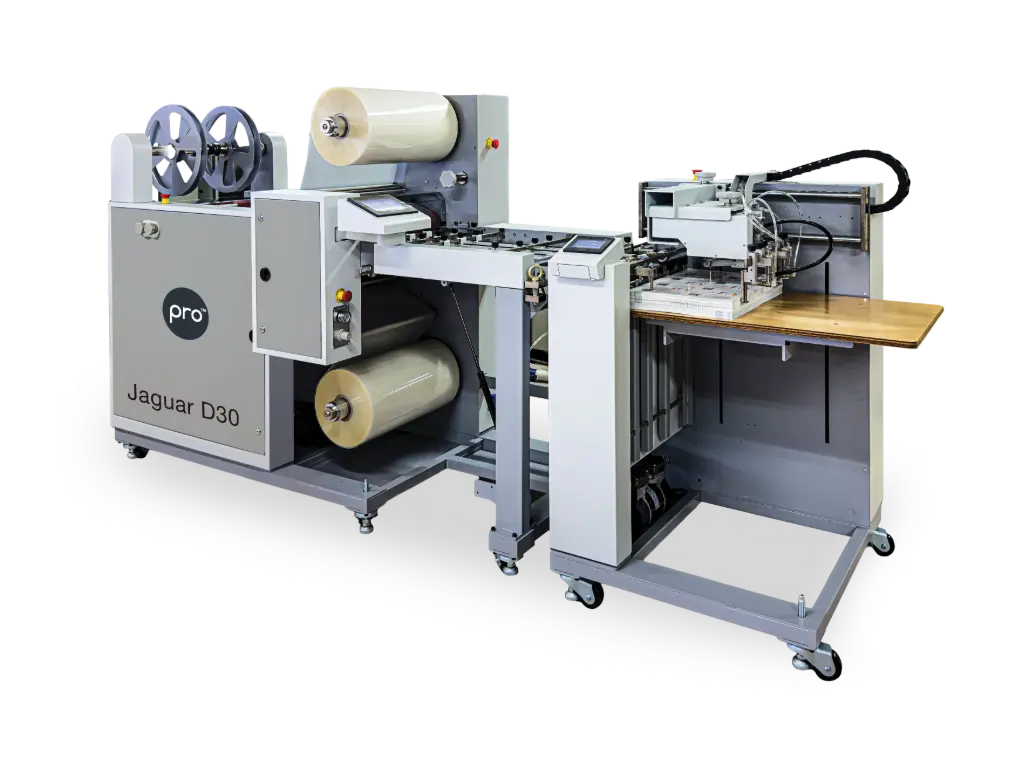
For shops looking to handle higher production volumes, Skandacor's LAMpro Jaguar D30 Duplex High Speed Hot Roll Laminator offers high-speed, double-sided lamination and encapsulation. It can operate at speeds of up to 49 feet per minute, depending on the application, helping print shops process jobs efficiently while maintaining consistent finishing quality.
You may also be wondering what is the best laminating machine to buy if you're looking to offer more than traditional protective lamination.
For print shops interested in adding premium finishing applications, decorative effects are another opportunity worth exploring. For example, foiling with a laminator is possible with equipment designed for compatible digital foiling processes.
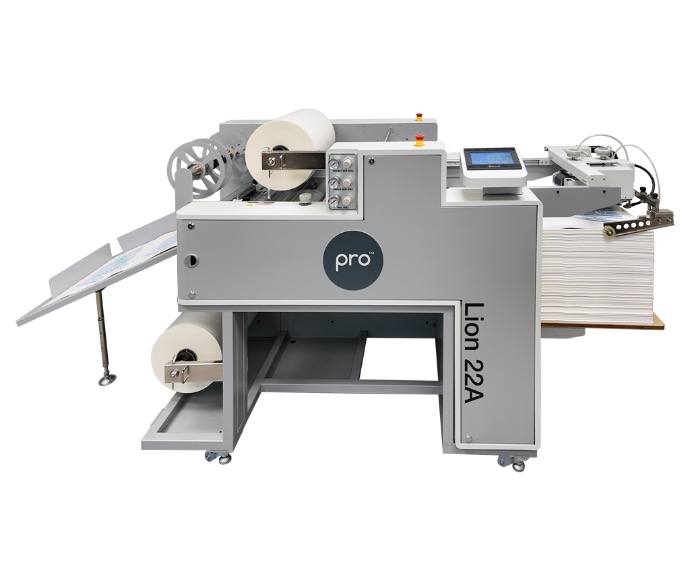
LAMINATION + DIGITAL FOILING
LAMpro Lion 22A
Skandacor's LAMpro Lion 22A supports lamination and SLEEKpro digital foiling, allowing print shops to produce additional applications such as foiled business cards, presentation materials, and specialty print products.
This gives businesses an opportunity to expand their finishing capabilities without necessarily investing in separate equipment for every process.
Remember that lamination alone doesn't guarantee a sticker or label will perform in every environment. Film selection, substrate compatibility, and intended use all play a role in the finished product's performance.
Start with what your customers want to produce, then work backward to the finishing equipment that makes it possible.
What Should Your Print Shop Look for in a Laminator?
Choosing the right laminator goes beyond deciding between hot and cold lamination. It's also about finding equipment that fits your production workflow, handles your most common applications, and supports your business as it grows.
Before investing in a machine, consider a few important factors:
Applications
What are you producing most often? Business cards, menus, stickers, and large-format graphics may require different laminating methods and equipment.
Media Size
Consider the largest sheets or rolls you regularly work with. Choosing the right working width can help you accommodate your current projects without investing in unnecessary capacity.
Production Volume
Are you laminating a few jobs each day or processing larger quantities? Your workload can help determine whether manual feeding or a more automated solution makes sense.
Automation
How much time does your team spend feeding, trimming, and handling materials? Equipment with automated features may help reduce operator involvement and keep production moving.
Future Applications
Are you planning to bring outsourced work in-house, offer specialty finishes, or expand into new markets? Consider equipment that supports both your current needs and future opportunities.
There's no single laminator that works best for every print shop. Understanding your applications and production requirements will help you narrow down your options and make a more informed investment.
Find the Right Laminating Equipment With Skandacor
The best laminator isn't necessarily the largest, fastest, or most expensive option. It's the one that fits your production needs today while supporting the applications you want to offer in the future.
For some shops, that may mean a straightforward thermal laminator for everyday commercial print. For others, it could mean wide-format equipment, greater automation, or a laminator that supports additional specialty finishing applications.
Skandacor provides laminating equipment and finishing materials for print shops and businesses across Canada, USA, Europe.
Our team helps print providers evaluate their applications, production requirements, and finishing goals to identify equipment that fits their workflow.
Ready to find the right laminator for your shop?
Explore Skandacor's laminating equipment to compare available machines, or contact us for help choosing a solution that fits your finishing needs.